
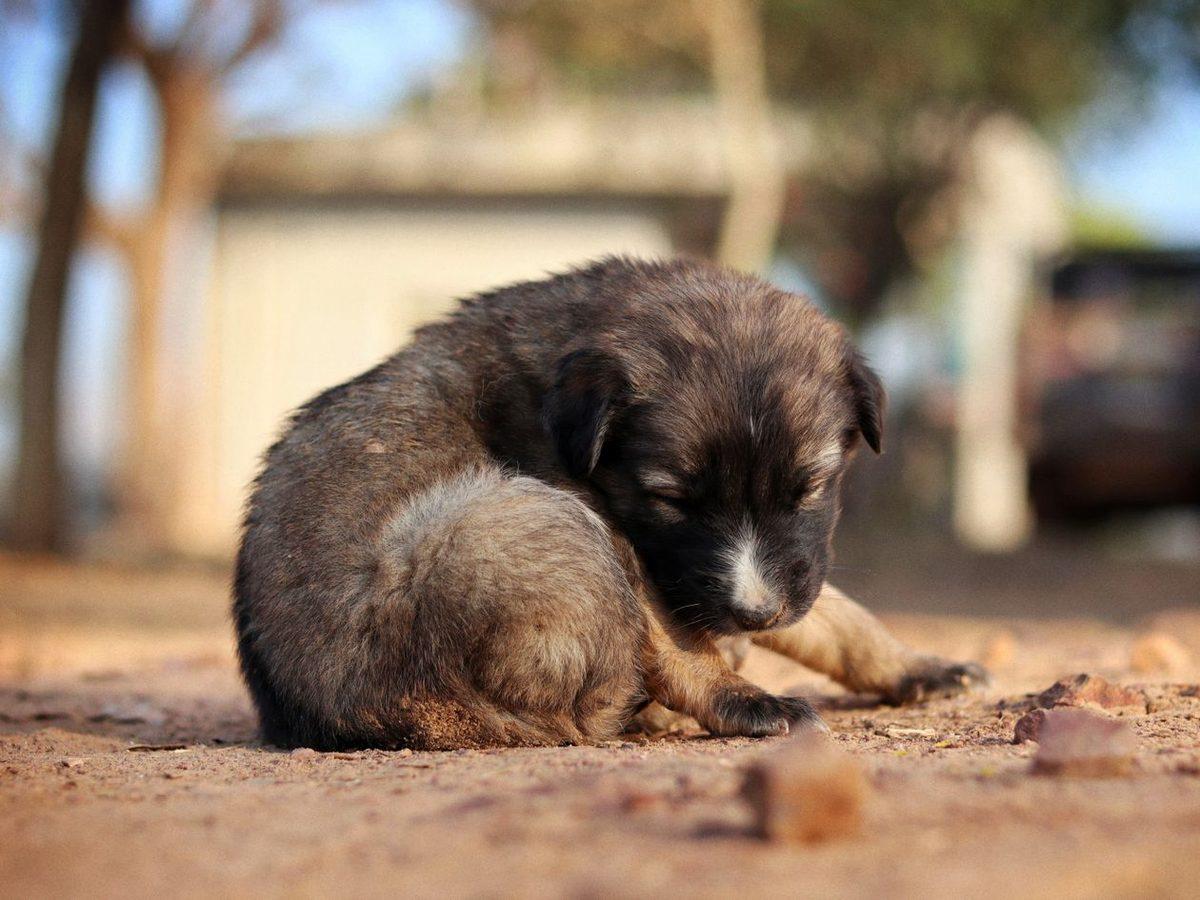
Sneezing is the nose's ejection button, and puppies press it for everything from dust to excitement. The diagnostic skill is pattern recognition: frequency, discharge, one side or two, and what else is happening. This guide runs the triage so you know when to open a window and when to book the vet.
The Plan: Step by Step
Sort the normal from the notable
Normal: occasional sneezes, sneezing during play (a recognized dog communication signal meaning "this is play"), a sneeze or two on waking or in dusty corners. Notable: repeated fits, daily persistence beyond a few days, discharge, nosebleeds, or sneezing with reduced appetite or energy.
Audit irritants first
Scented candles, air fresheners, cleaning sprays, cigarette smoke, dust from renovations, and strong perfumes are the usual environmental triggers. Remove candidates for a week and see if the sneezing follows them out the door. Puppies live at floor level where dust and residues concentrate.
Consider infection
Respiratory infections (including kennel cough complex viruses) commonly add sneezing to coughing, eye discharge, and lethargy. Puppies in group settings — classes, daycare, shelters — are the exposed population. Sneezing plus any systemic sign (fever, appetite loss) moves the case to the vet promptly; young puppies deteriorate faster than adults.
Suspect a foreign body when it is one-sided and violent
Sudden explosive sneezing fits after outdoor play, pawing at the nose, and discharge from one nostril is the grass-seed presentation until proven otherwise. Seeds migrate and worsen — this is a same-day vet visit, not a wait-and-see.
Let the vet handle the rest of the list
Nasal mites (often with reverse sneezing), dental issues in older puppies, and anatomical factors in flat-faced breeds round out the causes. Diagnosis may involve examination, rhinoscopy, or imaging — none of which home observation replaces. Bring your pattern notes; they genuinely help.
The Play Sneeze
Dogs sneeze during play as a deliberate signal that the interaction is friendly — a meta-communication that keeps games from escalating. Owners who know this stop worrying about the play sneeze and start reading it as good social information. It is also why "sneezing when excited" alone, in a bright puppy with no other signs, sits firmly in the normal column.
Mistakes to Avoid
- Using human nasal sprays or decongestants — several are toxic to dogs.
- Waiting out violent one-sided sneezing; grass seeds do not wait with you.
- Smoking or vaping around a sneezing puppy while investigating exotic causes.
Related Guides
Frequently Asked Questions
What is reverse sneezing?
A dramatic snorting inhalation episode, usually from throat or nasal irritation, excitement, or mites. It looks alarming and is usually harmless and self-limiting (under a minute). Gently stroking the throat or briefly covering the nostrils can end it. Frequent episodes deserve a vet mention and a video.
Can puppies have allergies that cause sneezing?
Yes, though in dogs allergies more often present as itchy skin and ears than as hay-fever-style sneezing. Environmental allergens can contribute to respiratory signs too. Allergy diagnosis is a process of exclusion with your vet — another case where your pattern log (seasonal? location-linked?) is diagnostic gold.
My puppy sneezes only in the morning. Should I worry?
Morning-only sneezing in an otherwise bright puppy usually reflects overnight dust exposure — bedding, carpets, a dusty sleeping area. Wash bedding, vacuum the sleep zone, and watch. If it persists for weeks or gains discharge or other signs, it graduates to a vet discussion.
When is sneezing an emergency?
Sneezing with breathing difficulty, blue or pale gums, collapse, significant nosebleed, or facial swelling is urgent. Violent fits after outdoor play (foreign body) are same-day. Everything else follows the pattern rules: persistence, discharge, and systemic signs set the appointment.