
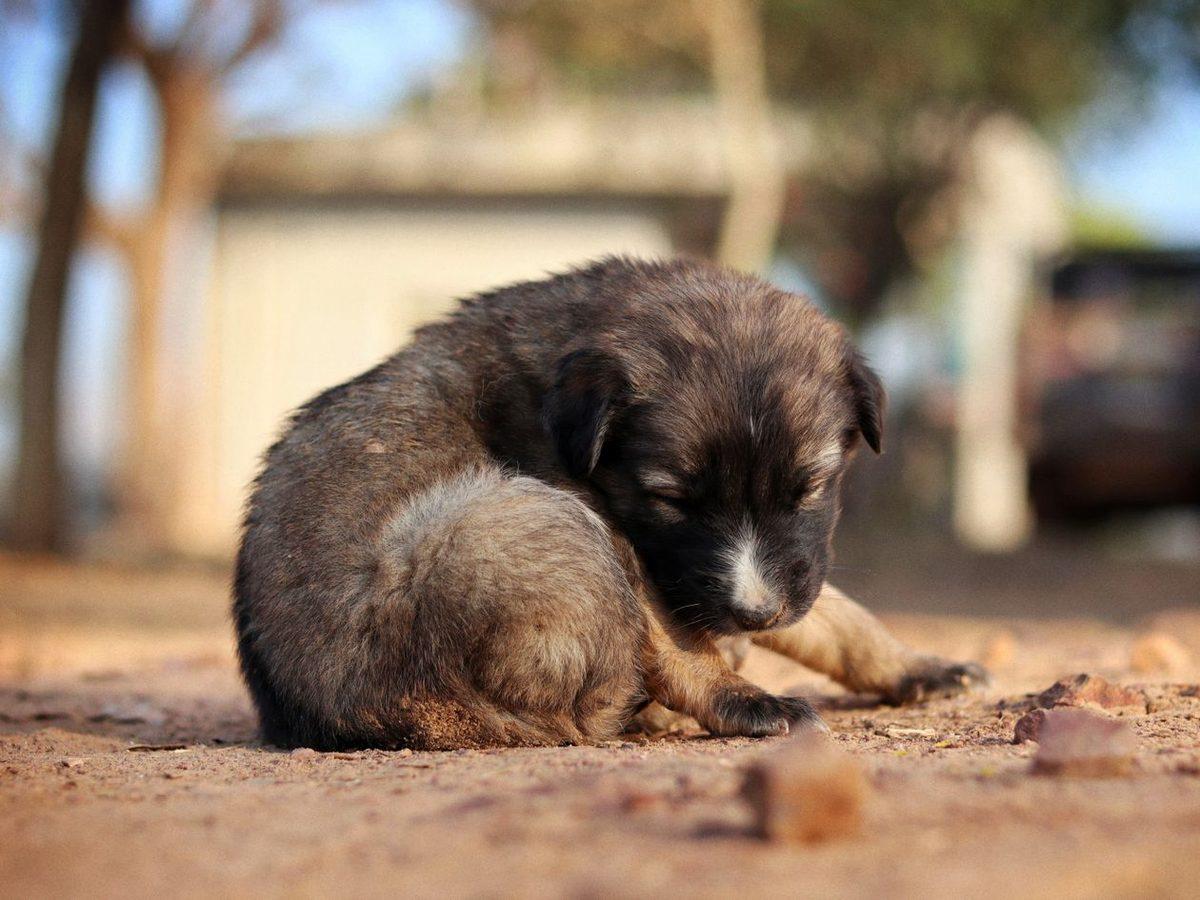
A coughing puppy sounds dramatic — the honk, the gag, the "something stuck" performance — and is often less serious than it sounds, except when it is not. This guide teaches the distinctions: cough types, the kennel cough picture, appropriate home care, and the breathing signs that bypass all home care. General information only; your vet diagnoses your puppy.
The Plan: Step by Step
Characterize the cough
Dry and honking (like a goose), often in fits, triggered by excitement or collar pressure: classic kennel cough territory. Wet or productive, soft, or accompanied by nasal discharge: different list. Note frequency, triggers, and whether the puppy gags or brings up foam at the end of fits — and film an episode for the vet.
Assess the whole puppy
Bright, eating, playing between fits: the mild profile. Lethargic, off food, feverish, breathing fast at rest, or coughing in a very young puppy: the vet profile. Breathing effort — ribs heaving, neck extended, blue or pale gums — is an emergency regardless of the cough's character.
Home care for the mild profile
Rest (skip daycare, classes, and dog parks — kennel cough is contagious and exercise worsens coughing), humid air (a steamy bathroom helps), a harness instead of a collar to spare the trachea, and calm. Most uncomplicated kennel cough resolves in 1–3 weeks; your vet may still want to see a puppy, especially a young one, at least once.
Protect other dogs
Infectious coughs spread before and during symptoms. Isolate from other dogs, inform any facility your puppy attended, and ask your vet when mixing can resume (often a week after coughing stops). Household dogs may need monitoring even if vaccinated — vaccines reduce severity more than they prevent infection.
Escalate on the red flags
Breathing difficulty at rest, coughing blood, collapse, refusal to eat, fever signs, a puppy under 12 weeks coughing persistently, or a cough that worsens after a week instead of improving. Pneumonia is the complication everyone is watching for — it announces itself with dullness and breathing change.
The Trachea Sensitivity Clue
A cough triggered by collar pressure or excitement, in a small breed puppy, sometimes points to a sensitive or collapsing trachea rather than infection — one reason harnesses are recommended for toy breeds generally. It is a vet diagnosis made by examination and sometimes imaging. If your puppy's "kennel cough" never quite resolves, this belongs in the conversation.
Mistakes to Avoid
- Human cough medicines — several contain ingredients dangerous to dogs, and suppressing a cough you have not diagnosed hides the monitoring signal.
- Continuing daycare and classes through an infectious cough, seeding it through the local puppy population.
- Assuming every cough is kennel cough. The persistent, the wet, and the dull-puppy coughs have other authors.
Related Guides
Frequently Asked Questions
How long does kennel cough last?
Typically 1–3 weeks, with the worst coughing in the first few days, improving steadily. A cough that plateaus or worsens after a week, or returns after resolving, needs re-examination — secondary pneumonia and other causes enter the picture on that timeline.
Can my puppy get kennel cough if vaccinated?
Yes — the vaccine covers key agents (notably Bordetella) and reduces severity, but kennel cough is a complex of multiple viruses and bacteria. Vaccinated puppies usually get milder, shorter cases. Facilities require it because population-level severity drops, not because cases vanish.
My puppy coughs only at night. Why?
Lying flat changes airway drainage and tracheal irritation, so mild coughs often worsen at rest. Night-only coughing that persists still deserves a vet visit — the differential includes tracheal issues and, rarely in puppies, cardiac causes that a daytime-only snapshot would miss.
Should I use a collar or harness for a coughing puppy?
Harness, definitively, during any cough — collar pressure on an inflamed trachea triggers fits and adds injury to irritation. Many owners of small breeds keep the harness permanently after discovering the difference. Fit it so it does not ride into the armpits.