
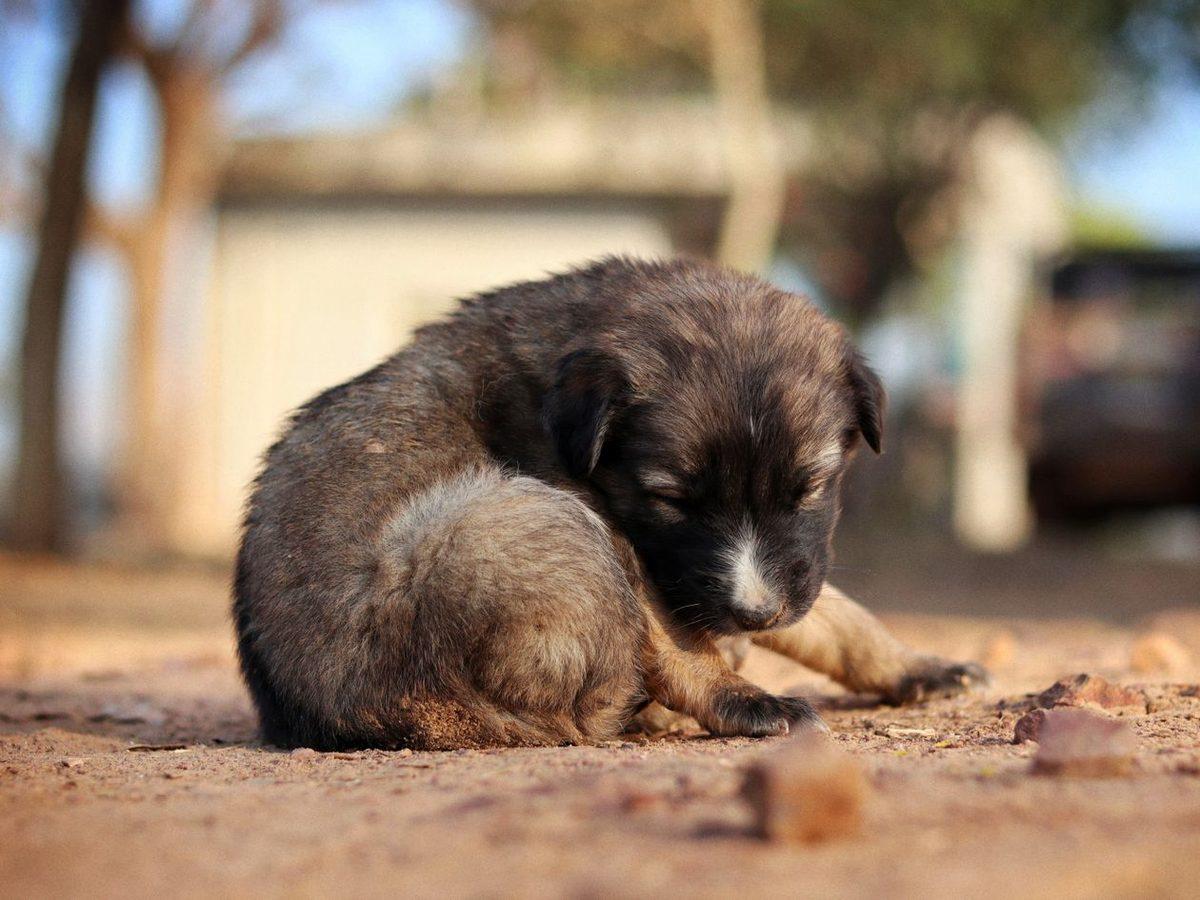
Few sounds are as endearing — or as quietly worrying to new owners — as a hiccuping puppy. The mechanism is the same as in human babies: an immature diaphragm, easily triggered. This short guide explains the triggers, the gentle ways to end an episode, and the short list of patterns that are not hiccups being cute.
The Plan: Step by Step
Understand the mechanism
Hiccups are diaphragm spasms. Puppies' diaphragms are immature and reactive, and their habits — gulping food, drinking fast, playing hard — are a trigger checklist. Frequency decreases steadily with age; most adult dogs hiccup rarely.
Slow down the inputs
A slow-feeder bowl or scatter feeding reduces the air swallowed at meals. Calm transitions after play (a minute of settling before water) reduce post-exercise episodes. Prevention is mostly pace management.
End an episode gently
Offer a few laps of water, a small treat to change the swallowing pattern, or a calm minute of rest. Never startle a puppy out of hiccups — the scare method is a myth in dogs and teaches nothing good. Most episodes end within minutes untouched.
Track the pattern if frequent
Note frequency, duration, and company (coughing, reverse sneezing, gagging, appetite change, exercise intolerance). Owners often confuse reverse sneezing — a dramatic but usually harmless snorting episode — with hiccups or choking; a video for your vet settles identification instantly.
Know the escalation list
Vet check for: episodes over an hour, hiccups with vomiting or diarrhea, breathing difficulty, hiccups that wake a puppy repeatedly, or any hiccup-like pattern in a puppy who is also lethargic or off food. Respiratory and gastrointestinal causes hide in the persistent cases.
Reverse Sneezing vs Hiccups
Reverse sneezing looks alarming — rapid, snorting inhalations with an extended neck — and is usually a benign response to throat irritation, excitement, or allergens. Episodes end in under a minute. Because owners regularly confuse the two (and both with choking), filming one episode and showing your vet is the fastest route to a confident label and a calm household.
Mistakes to Avoid
- Startling or scaring a hiccuping puppy — folklore, not physiology.
- Assuming frequent daily hiccups with coughing are "just hiccups" for months.
- Feeding faster to "get meals over with" when gulping is the trigger.
Related Guides
Frequently Asked Questions
How often do normal puppies hiccup?
Young puppies may hiccup daily, even several times a day, in short episodes — particularly around meals and play. The trend should decline over the first six months. A stable or increasing frequency with age is worth mentioning at a routine visit.
Can hiccups mean worms or illness?
Hiccups alone are not a recognized sign of worms, and the association is mostly folklore. Persistent hiccup-like patterns with digestive or respiratory symptoms are a different matter — those get a workup for their accompanying signs, not for the hiccups themselves.
Should I wake a puppy who hiccups in their sleep?
No — sleep hiccups are common and harmless, and puppies need their sleep more than they need hiccup management. The episode will pass. Note it only if it is nightly and prolonged, as part of the overall pattern to mention at a check-up.
Do certain breeds hiccup more?
Flat-faced (brachycephalic) puppies tend to swallow more air eating and breathing, and are overrepresented in hiccup and reverse-sneezing stories. Their episodes deserve a slightly lower threshold for vet discussion because breathing anatomy is already a consideration in these breeds.