
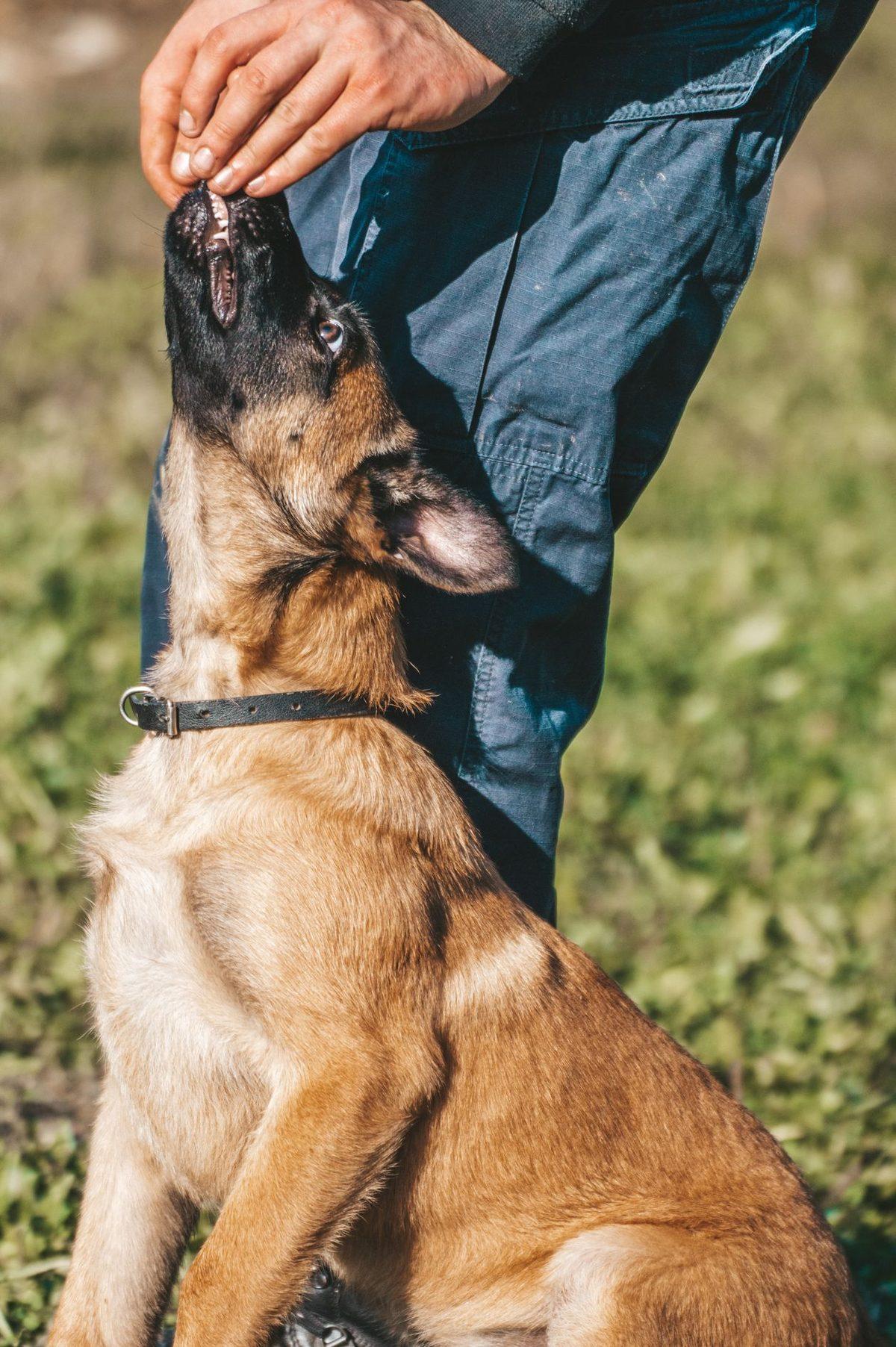
Treats are training currency, dental hazards, calorie bombs, or bonding rituals depending on how they are chosen. Puppy treat marketing aims at owners, not puppies — bright packaging, dubious health claims, and sizes designed for adult jaws. This guide gives you the selection rules that matter: calories, size, texture, and ingredient red flags.
The Plan: Step by Step
Apply the 10% rule with real numbers
Find your puppy's daily calorie intake from their food amount, take 10%, and check treat labels for kcal per piece. Owners are routinely shocked: one large biscuit can be 30% of a small puppy's day. Budget first, then choose treats that fit the budget.
Size and texture by age
Under 4 months: tiny, soft, dissolvable treats only — young puppies cannot safely manage hard biscuits or large chews. Training treats should be pea-sized and soft enough to eat in one second, so sessions keep flowing and stomachs do not fill.
Match the treat to the job
Training: tiny, soft, high-value (cooked chicken, cheese bits, commercial training treats). Occupation: long-lasting chews sized for supervision. Dental: vet-approved dental chews at the right size. One treat rarely does all three jobs well.
Read the red-flag list
Avoid: cooked bones (splinter), rawhide for puppies (blockage and choking risk), very hard chews like antlers for baby teeth (fractures), anything with xylitol, and treats sized for dogs far larger than yours. "Natural" on a label is marketing, not a safety standard.
Make everyday rewards do double duty
Part of the measured daily kibble, tiny carrot pieces, apple bits (no seeds), and green beans can carry much of the reward load at near-zero calorie risk. Reserve the rich treats for hard training jobs like recall — value should scale with difficulty.
The Hidden Calorie Economy
Weight gain in puppies is usually a treat story, not a meal story: measured meals plus unmeasured extras from every family member. A household treat jar with a daily ration — when it is empty, treats are done — is the simplest control system that survives real family life. It also keeps treat value high, which your training will thank you for.
Mistakes to Avoid
- Adult-sized treats for puppies "broken in half" — still too many calories and often too hard.
- Rawhide and cooked bones, the two classics that fill vet emergency schedules.
- Every family member treating independently, multiplying the budget by the household size.
Related Guides
Frequently Asked Questions
What are the best training treats for young puppies?
Soft, smelly, pea-sized: commercial puppy training treats, tiny cooked chicken pieces, or small cheese bits. They should be eaten in a second without chewing drama. For most repetitions, part of the daily kibble works — save the premium treats for new or hard behaviors.
Are dental chews good for puppies?
Age-appropriate ones from reputable makers, at the correct size, given under supervision, yes — they help with teething urges and early dental habits. Check the minimum age on the label (many start at 3–6 months) and count their calories in the 10% budget; dental chews are not calorie-free.
Can puppies have peanut butter?
Plain peanut butter without xylitol (check the label every time — formulations change) is safe in small amounts and excellent for stuffing toys and lick mats. It is calorie-dense, so teaspoons, not tablespoons, for puppies.
My puppy gets an upset stomach from treats. Why?
Rich, fatty, or novel treats in quantity overwhelm young guts. Introduce any new treat in small amounts, watch stools for a day, and keep a short list of proven-safe treats for training. Persistent sensitivity to many foods is worth a vet conversation about diet and gut health.