
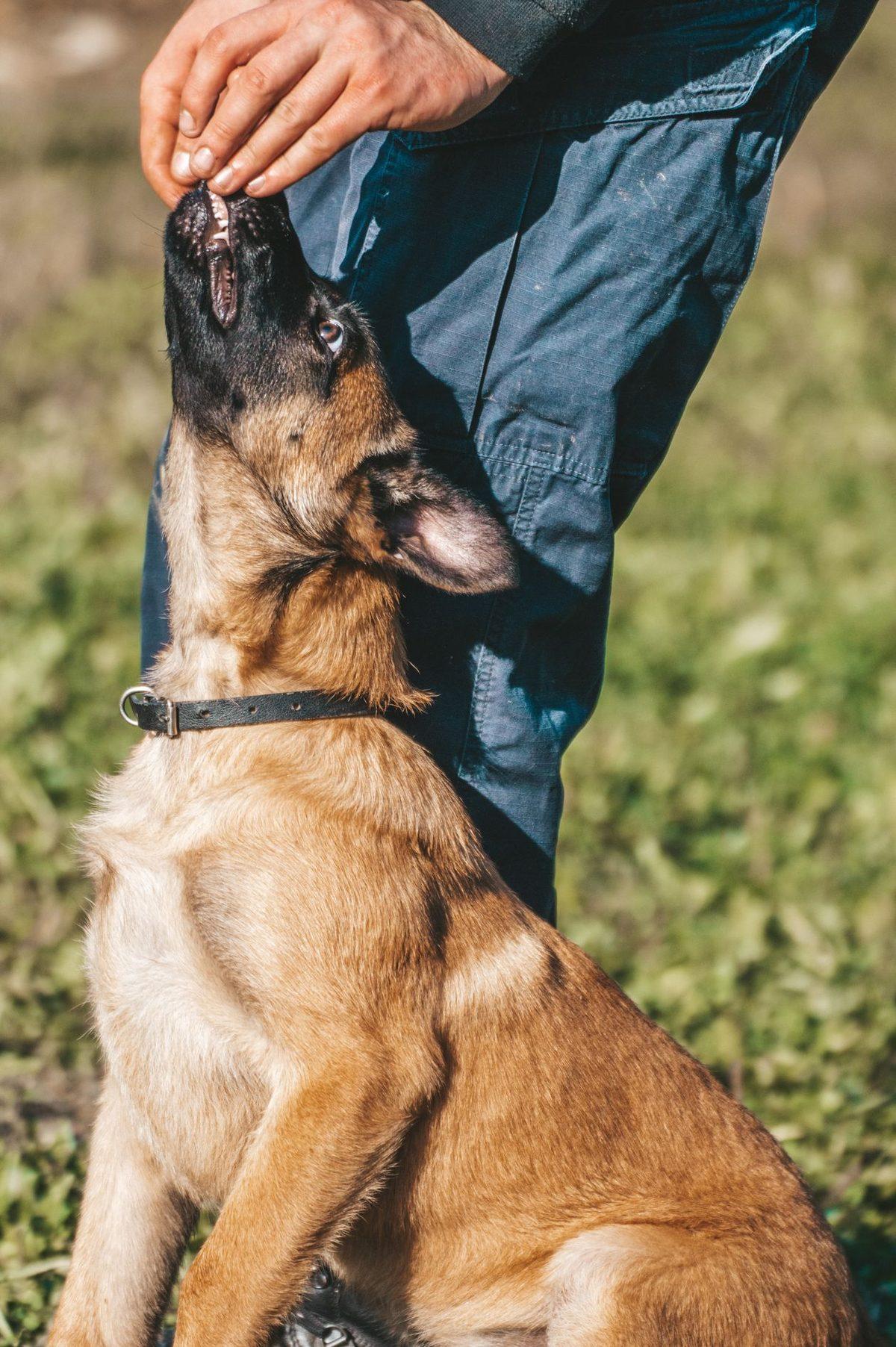
Gardens are a buffet of questionable choices for an oral-stage puppy. Sticks, mulch, stones, and bark all get sampled. Most sampling is harmless exploration; the danger is swallowing. This guide separates chewing from eating, covers the specific toxic risks hiding in garden beds, and builds the supervision and trade system that keeps garden time safe.
The Plan: Step by Step
Know your garden's real risks
Cocoa mulch contains theobromine (like chocolate) and is genuinely toxic — replace it or fence it off. Treated wood mulch, fertilizer granules, slug pellets, and certain plants and mushrooms are the other real hazards. Plain bark and sticks are mechanical risks (splinters, blockages) rather than poisons.
Supervise garden time actively
A puppy in the oral stage is not "playing in the garden" unsupervised — they are eating the garden. Stay present, redirect sampling to toys, and use a long line if your attention is divided. The habit of eating debris forms in exactly these unobserved minutes.
Train trade and leave it to fluency
Trade generously for every found object so surrendering is profitable and never a chase. Leave it, proofed outdoors in stages, is the voice brake. These two cues handle 95% of garden finds safely — if they are trained before they are needed.
Offer better oral work
Frozen chews, a digging pit, and scatter feeding in grass give the mouth and nose legal employment in the same environment. Puppies graze debris hardest when the garden offers nothing else to do.
Learn the emergency signs
Gagging, pawing at the mouth, drooling, vomiting, appetite loss, or straining after a garden session means vet now. A splinter lodged across the palate is a classic find — check the mouth roof if your puppy paws at their face.
Chewing vs Swallowing
Carrying and gnawing a stick, then dropping it, is normal exploration. Gulping pieces, frantic eating of mulch by the mouthful, or seeking non-food items constantly is different — the last pattern can indicate pica, which warrants a vet conversation about diet, gut health, and compulsion. Track which puppy you have before choosing your response.
Mistakes to Avoid
- Assuming "natural" means safe — cocoa mulch and many garden chemicals are natural and dangerous.
- Chasing to retrieve items, which teaches fast gulping.
- Leaving a teething puppy alone in the garden "to burn energy."
Related Guides
Frequently Asked Questions
My puppy eats mulch every time. Is my garden unusable?
No — fence the beds or swap the mulch for a safer ground cover (plain stone or untreated bark in large pieces), supervise, and build the trade habit. Most puppies lose interest in debris as the oral stage passes if the behavior was never allowed to become a rehearsed routine.
Are sticks really that dangerous?
Stick injuries are a steady source of vet emergencies: splinters in the mouth and throat, and pieces wedged across the palate. Carrying a stick briefly is low risk; chewing it into pieces and swallowing is the pattern to interrupt. Offer stick-shaped safe chews as the swap.
What is pica and should I worry?
Pica is persistent eating of non-food items. Occasional puppy sampling is not pica. Daily, driven consumption of rocks, fabric, soil, or debris — especially with digestive signs — deserves a vet workup for nutritional, gastrointestinal, and behavioral causes.
How do I check my puppy's mouth safely?
With a chin rest or gentle lip lift practiced in training, look at the roof of the mouth, between teeth, and under the tongue. If your puppy resists or you see a lodged object with distress, stop and go to the vet — forcing a painful mouth open risks bites and worse injury.