
Socks carry the strongest scent of the puppy's favorite people, they are puppy-sized, and they are tragically swallowable. Veterinarians remove them from dog intestines constantly. This guide is blunt because the stakes are: manage access like it matters, train the trade so mistakes end safely, and know the obstruction symptoms cold.
The Plan: Step by Step
Zero-access laundry system
Closed hamper in a closed room or closet, laundry baskets off floors, bedroom doors shut, kids briefed with zero exceptions. Audit the house at puppy height weekly. One pair of socks on one bathroom floor is all this habit needs to rehearse — and one rehearsal can end in surgery.
Train the trade to fluency
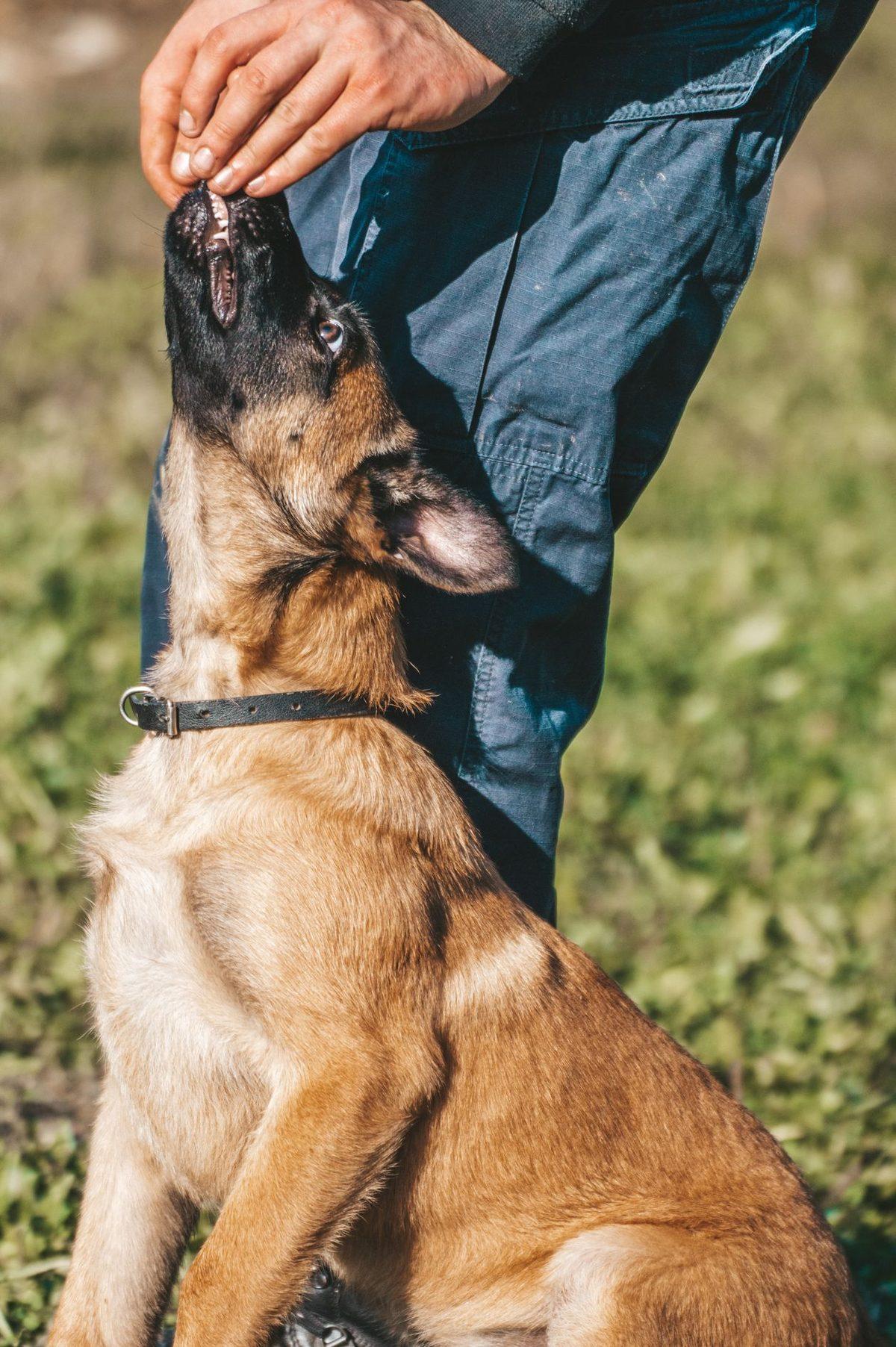
Practice drop-it with boring toys traded for excellent treats, then with moderately interesting items, always giving the item back during training so surrender never means loss. A fluent, happy trade is your emergency tool when management fails — and management eventually fails.
Supervise like the habit is active
A puppy known to swallow items does not get unsupervised freedom, period. Pens, tethers, and same-room rules until the behavior has been absent for months and the trade is proven. Boredom and alone time are when swallowing happens.
Meet the chewing and scent needs legally
Provide sanctioned items that carry your scent safely — an old t-shirt tied in knots and used for supervised tug satisfies the attraction without the swallowing risk. Rotate legal chews and schedule enough play and training that hunting laundry loses its appeal.
Know obstruction symptoms by heart
Vomiting (especially repeated), loss of appetite, lethargy, abdominal pain or bloating, straining or no stool, drooling. Any combination after a known or suspected swallow means vet now, not tomorrow. Earlier intervention is the difference between simple and catastrophic surgery.
Why Socks Specifically
Dogs swallow items that smell like their people and fit their mouths — socks, underwear, hair ties, and baby socks top the surgical lists. Puppies explore orally, and some individuals develop genuine pica (compulsive non-food eating), which deserves veterinary and behavioral assessment rather than pure management. If your puppy seeks non-food items constantly, raise it at the vet visit.
Mistakes to Avoid
- Chasing the puppy to retrieve a sock — the chase teaches gulping it down fast before you arrive.
- Assuming "he passed the last one" means the habit is safe. Each swallow is a dice roll on obstruction.
- Leaving laundry "just for a minute" in a puppy-proofed-except-this house.
Related Guides
Frequently Asked Questions
My puppy swallowed a sock. What do I do?
Call your vet immediately and describe the item, size, and timing. Do not induce vomiting at home unless a veterinarian instructs you — some items cause more damage coming back up. Your vet may induce vomiting safely at the clinic if the timing is right, or advise monitoring with clear return precautions.
How long does it take for a swallowed sock to pass?
Items that pass usually do so within 24–48 hours, but socks frequently do not pass — they wad in the stomach or intestine. Waiting is only appropriate under veterinary advice with strict symptom monitoring. Any vomiting, appetite loss, or lethargy ends the waiting immediately.
Will my puppy outgrow eating clothing?
The oral exploration phase fades, but a practiced swallowing habit can persist into adulthood. Management plus trade training now is what makes it fade. Puppies whose access is fully controlled for months usually lose interest as legal chewing and maturity take over.
What are the signs of a blockage?
Repeated vomiting, refusing food, drooling, a painful or tense belly, restlessness or unusual quietness, and little or no stool. Blockages are time-critical emergencies — hours matter for outcomes. If you suspect one, go to the vet or emergency clinic immediately.