
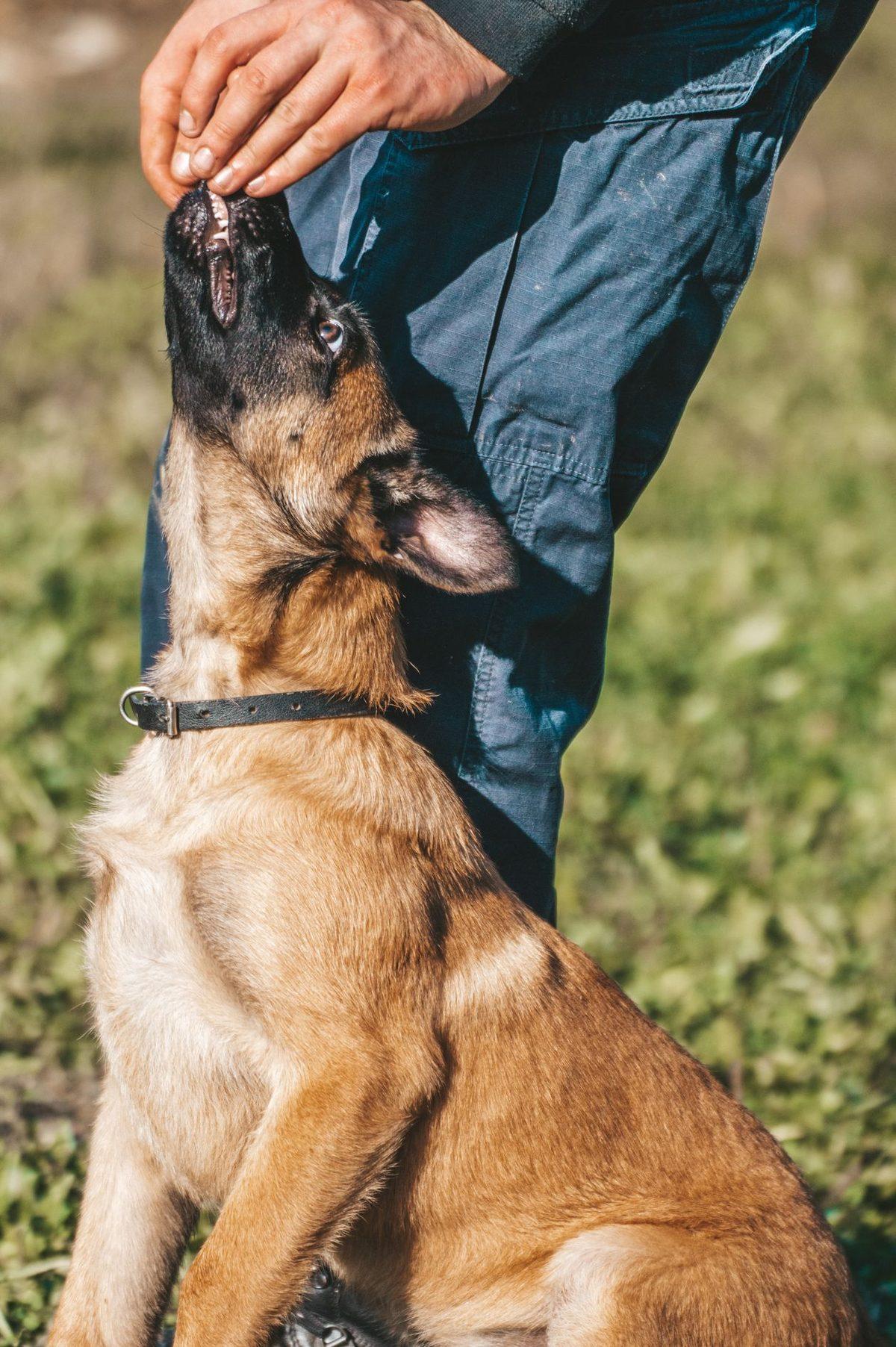
Weaning is a handover, not an event: nutrition shifts from mother to bowl over about a month while puppies learn what food is, how to lap, and how to eat alongside littermates. Rushed weaning causes digestive chaos and stressed mothers; delayed weaning starves growing puppies of practice. This guide runs the standard timeline used by responsible breeders.
The Plan: Step by Step
Weeks 3–4: first gruel
A shallow dish of puppy food blended with warm water or milk replacer to a soup consistency, offered 3–4 times daily after a partial nurse (hungry puppies learn faster than stuffed ones). Expect puppies to walk in it, wear it, and eventually lap it. Sessions are short; the mother cleans up and finishes leftovers.
Weeks 4–5: thicken and structure
Reduce the liquid gradually toward a porridge. Puppies get their own feeding space with multiple dishes to prevent guarding rehearsals. Fresh water is available at all times from now on. Weigh puppies every couple of days — the growth curve should not wobble during the transition.
Weeks 5–6: soaked kibble, less mother
Food is now soaked-but-chunky; puppies have teeth and opinions. The mother naturally nurses less and may stand to feed (limiting access) — support her choice with time away from the litter. Puppies eat 4 meals a day and practice the schedule they will keep in their new homes.
Weeks 6–8: fully weaned
Most puppies eat dry or lightly soaked food confidently by 7–8 weeks and no longer need the mother nutritionally. She may still nurse occasionally for comfort. Puppies should be eating well, gaining steadily, and producing normal stools for at least a week before rehoming at 8+ weeks.
Watch the individuals
In every litter, one puppy weans slower. Laggards get extra sessions, not force: check teeth eruption, watch for a puppy being crowded out, and involve the vet if one puppy falls off the growth curve while siblings thrive. Weaning exposes differences that milk was masking.
The Mother's Side
As nursing drops, reduce the mother's food gradually back toward maintenance and watch her mammary glands: engorgement is normal briefly, but hot, painful glands mean mastitis — a vet emergency. Her body condition should recover over the following month. Weaning done gradually is kind to both ends of the transaction.
Mistakes to Avoid
- Weaning onto adult food or generic "dog food" — growth formulation matters most exactly now.
- Separating puppies from the mother abruptly at a set date rather than following the gradual curve.
- Rehoming before puppies are fully weaned and eating reliably — 8 weeks is a minimum for nutrition and behavior alike.
Related Guides
Frequently Asked Questions
What food is best for weaning?
The same quality puppy food the puppies will continue on: soaked and blended to the right consistency. Consistency of product matters — the food they wean onto should be the food in the bowl when they go to new homes, with a supply sent along for transition.
My puppies will not eat the gruel. What is wrong?
Check temperature (lukewarm, not cold or hot), consistency (soupier at first), timing (offer when mildly hungry), and health (a whole litter refusing is different from one laggard). A dab on the lips starts most puppies. Refusal past 4.5 weeks with weight loss is a vet conversation.
Can puppies wean onto raw or homemade food?
The growth stakes are highest in this window and homemade formulations are where imbalances concentrate. If the household philosophy favors non-commercial feeding, formulate with a veterinary nutritionist rather than a recipe from the internet — and see our raw diet guide for the risk picture.
When can weaned puppies leave for new homes?
At 8 weeks minimum, after at least a week of confident independent eating, steady weight gain, and normal stools — plus the littermate social learning that continues through week 8. Puppies rehomed at 6 weeks miss nutrition stability and bite-inhibition schooling that owners then struggle to replace.