
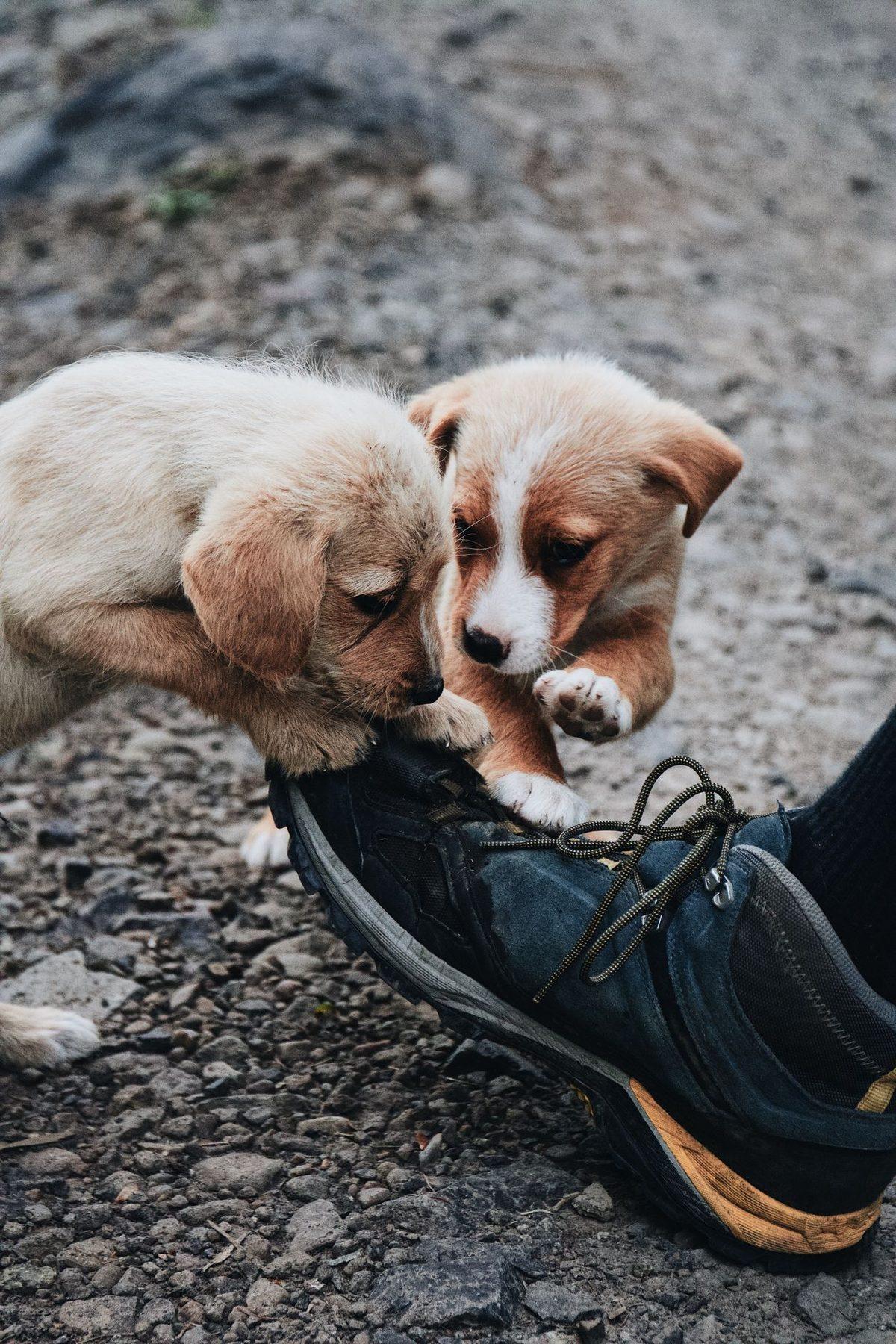
Teething explains half the mysteries of the 3–6 month puppy: the chewing surge, the mouthing relapse, the occasional blood spot on a toy, the ear that flops differently. This timeline walks through what erupts and what falls out when, the symptoms that are normal, and the two findings — retained baby teeth and broken teeth — that need your vet.
The Plan: Step by Step
Weeks 3–8: baby teeth arrive
28 deciduous teeth erupt: incisors first, then canines, then premolars. Puppies have no baby molars. By the time your puppy comes home at 8 weeks, the full needle set is in — which is why bite inhibition training starts immediately.
Weeks 12–16: the changeover begins
Adult incisors push out the baby ones, usually so seamlessly owners just find fewer teeth. You may find shed teeth (many are swallowed harmlessly). Chewing interest rises; frozen teething toys earn their freezer space now.
Months 4–5: canines and premolars
The dramatic phase: adult canines erupt beside baby canines, premolars swap, and chewing peaks. Watch the canine positions specifically — this is where retained baby teeth (two teeth in one spot) most often appear and need flagging.
Months 5–7: molars and completion
Adult molars — teeth with no baby predecessors — erupt at the back. By 6–7 months most puppies have 42 adult teeth. A mouth check at the 6-month vet visit confirms completion and catches retained teeth while removal is simple.
Soothe the whole way through
Frozen wet washcloths (supervised), chilled rubber teething toys, frozen carrot pieces, and ice cubes for some puppies. Rotate options; sore gums have preferences that change daily. Avoid very hard chews — erupting teeth and their owners both crack under antler-class hardness.
Normal vs Not
Normal: increased chewing, mild gum redness, occasional blood specks on toys, a lost tooth found or swallowed, brief appetite dips on sore days, mild puppy breath changes. Not normal: a baby tooth still present beside its adult replacement after a week (retained), a broken or discolored tooth, swelling of the face, refusal to eat beyond a day, or bleeding that does not stop. Those are vet items.
Mistakes to Avoid
- Playing tug with a puppy whose teeth are actively loosening — gentle games only during peak changeover.
- Giving antlers and bones "for teething." Fractured baby and erupting adult teeth are the predictable result.
- Panicking over swallowed baby teeth. They pass harmlessly; finding none is the most common outcome.
Related Guides
Frequently Asked Questions
Do puppies swallow their baby teeth?
Yes, most of them — they come out during eating and chewing and pass through harmlessly. Finding a few on the floor is normal; finding none is also normal. There is no need to search or worry either way.
What are retained baby teeth and why do they matter?
A retained tooth is a baby tooth that stays while the adult tooth erupts beside it — most common at the canines, especially in small breeds. The pair traps food, crowds the adult tooth out of position, and accelerates dental disease. Vets usually remove them, often during the spay/neuter procedure.
My teething puppy's breath smells bad. Normal?
Mild changes are normal with erupting teeth and minor gum inflammation. Strong, foul breath is not a teething feature — it suggests infection, a retained tooth problem, or something eaten. That earns a mouth check at the vet.
How can I tell if chewing is teething or behavior?
Teething chewing is indiscriminate and peaks at 4–6 months with visible tooth change; it improves as the adult set completes. Chewing that continues unchanged past 7 months is habit, boredom, or anxiety — a management and enrichment conversation rather than a dental one.