
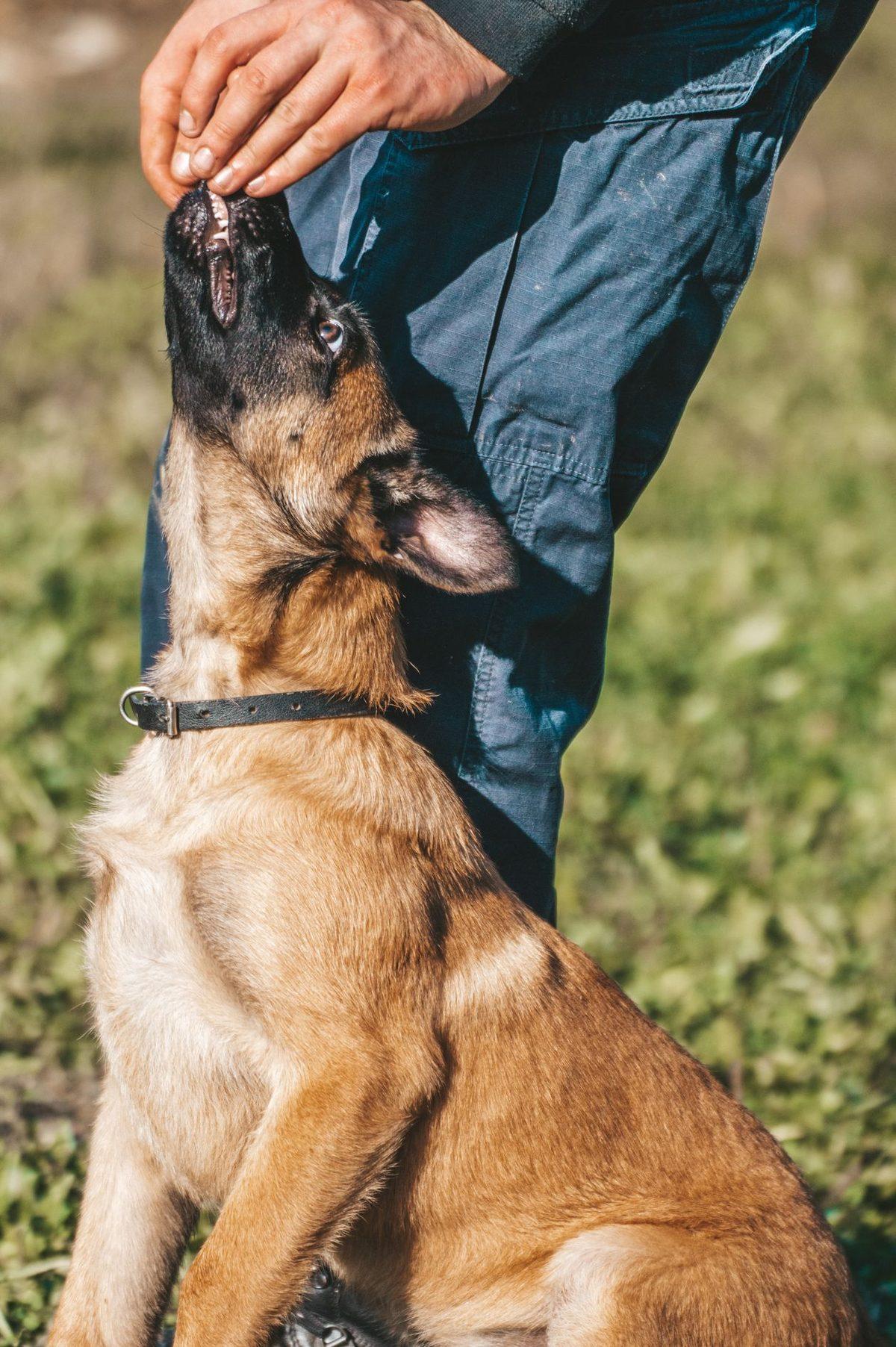
Food theft is the purest form of self-training: the puppy performs a behavior and the environment pays in chicken. Your corrections arrive after the reward, which in learning terms means they barely exist. This guide works scenario by scenario — kitchen, table, children, outdoors — pairing each with its management and its skill.
The Plan: Step by Step
Audit the scenarios
List where stealing actually happens: counter edges, coffee tables, kids' hands at puppy height, picnic blankets, the other dog's bowl. Each scenario gets its own fix. Owners who train "food manners" in general fix none of them; owners who fix scenarios fix all of them.
Separate during the vulnerable windows
Meals, snacks, and food prep happen with the puppy behind a gate, on a mat with a chew, or in their pen — until the skills below are proven. This is not exile; it is the classroom setup that prevents rehearsal while the alternative behavior is being installed.
Build a real leave it
Closed fist, open palm, floor, walk-bys — the staged protocol from our leave it guide, practiced daily with boring food before ever testing with chicken. The cue must be fluent at low stakes before it is asked to perform at high ones.
Train the child scenarios explicitly
Kids carry food at puppy face height and wave it around — rehearse with adults first: walk past the puppy holding food at knee height, reward the puppy for ignoring, gradually make it realistic. Teach children the rule too: food stays at the table, and if the puppy approaches, an adult is called.
Install impulse-control games
Wait at doors, wait for the food bowl, choose to leave a treat to get a better one. These games build the general muscle — pausing before grabbing — that transfers to real food situations. Five minutes a day of structured self-control beats an hour of after-the-fact scolding.
The Self-Reward Problem
Behaviors the environment rewards directly (stealing, counter surfing, bin raiding) are the hardest to fix with training alone, because your training competes with jackpots. The professional approach is always the same: management removes the jackpots, training installs an alternative, and time consolidates. Expect the stealing attempts to continue briefly after management tightens — that extinction burst is the habit dying, not failing.
Mistakes to Avoid
- Leaving food within reach "to test him." Tests he fails are rehearsals he passes — from his perspective, the test paid.
- Chasing a puppy who grabbed food, which adds a game and teaches gulping.
- Feeding from plates "as a treat" while also banning stealing — the puppy cannot read the distinction you intend.
Related Guides
Frequently Asked Questions
My puppy steals the other dog's food. How do I fix meals?
Feed dogs separately — different rooms or crates — until both are finished, then pick bowls up. Food competition between dogs is a resource-guarding factory. Separate feeding is not a temporary training phase for most multi-dog homes; it is permanent good management.
What if my puppy already grabbed something dangerous?
Trade, do not grab: offer an irresistible treat and let the item fall. If they swallowed something toxic or obstructive (cooked bones, corn cobs, packaging), call your vet immediately. After any incident, review the management gap that allowed access and close it the same day.
How long until I can trust my puppy around food?
Trust is scenario-specific and earned in months: a puppy reliable at family dinners may still mug a picnic. Extend freedom one scenario at a time after weeks of clean behavior in it, and keep management for novel high-temptation setups indefinitely. Even well-trained adult dogs do not get unsupervised access to a roast chicken — that is wisdom, not failure.
Does a "leave it" cue work for food on the ground outdoors?
Yes, if it was proofed outdoors in stages — that is exactly what the walk-by stage of leave it training is for. Until it is proofed, manage with leash length and route choice around litter-heavy areas. Outdoor food (bones, waste) can be dangerous, so this cue is worth real training investment.