
Fast, noisy, unpredictable wheels hit every puppy trigger at once: movement (chase), sound (fear), and surprise (startle). Herding and high-drive breeds are the classic lungers, but any puppy can learn the habit in a few rehearsals. This guide installs the calm-watching pattern before adolescence turns excitement into entrenched reactivity.
The Plan: Step by Step
Start with stationary wheels
A bike lying on the ground, then standing, then walked slowly beside you in a garden or quiet area — treats for calm interest at each stage. A puppy who has eaten treats off a stationary bike has a head start most owners skip.
Find the watching distance
Position where bikes or skateboards pass at a distance your puppy can handle: notices, ears up, but eats treats and can look back at you. That is the training distance. If your puppy cannot eat, you are too close — move, do not correct.
Pay the look-away
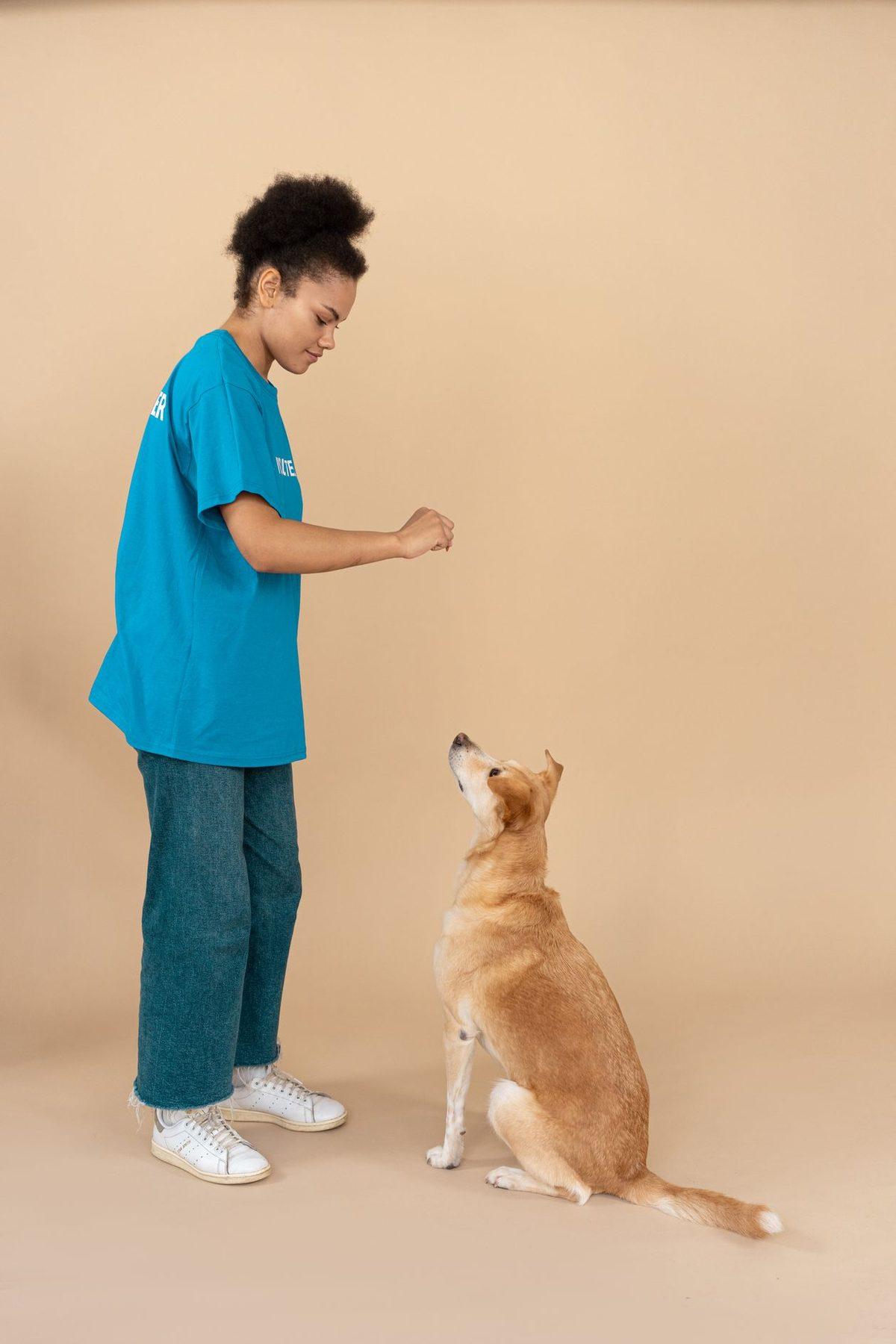
Wheel passes: puppy looks, you mark the moment they glance back at you and pay well. You are building an automatic check-in reflex at the exact trigger. Sessions of five passes beat an hour of exposure.
Add movement gradually
A helper rides slowly at distance, then closer, then faster — one variable at a time, over days. Skateboards add noise; treat each vehicle type as its own ladder at first. Generalization comes after two or three types are solid.
Manage the real world meanwhile
Short leash, position yourself between your puppy and traffic, cross the street to keep distance, and never let a lunge succeed in reaching a wheel. Every rehearsed lunge — especially one that "makes the bike swerve away" — is a paid repetition of the wrong behavior.
Chase, Fear, or Both
Loose, bouncy lunging with a play face is chase arousal; barking with weight shifted back, hackles up, and retreat between bursts is fear. Both use the same distance protocol, but fear cases progress slower and should never be pushed closer for "exposure." If your puppy redirects onto the leash or your legs when frustrated, that intensity deserves a certified trainer's help.
Mistakes to Avoid
- Walking a young puppy along a busy bike path "for socialization" — that is flooding with wheels.
- Tightening the leash and bracing as bikes approach, which tells the puppy something is wrong and adds restraint frustration.
- Letting the puppy chase wheels off-leash "to get it out of their system." Chasing rehearsed is chasing installed.
Related Guides
Frequently Asked Questions
How long does wheel reactivity training take?
Mild excitement cases improve in two to four weeks of staged sessions. Established lunging in an adolescent takes months and benefits from professional guidance. The distance metric tells the truth: when your puppy handles normal sidewalk distance calmly, you are most of the way there.
My puppy only reacts to skateboards, not bikes. Why?
The sound. Skateboards add a loud, irregular rumble that startles. Run a separate, slower ladder for boards: recorded sound at low volume, then a stationary board, then slow rolling at distance. Sound-first desensitization works well for this specific trigger.
Is this related to car chasing?
Same family: motion-triggered chase. Cars add lethal stakes, so car reactivity is managed with absolute leash discipline and trained with the same look-away protocol at much bigger distances. Any puppy lunging toward traffic needs professional help promptly — the margin for error is zero.
Can I train with my own bike at home?
Yes — it is the best setup. Stationary bike games, walking the bike, then a helper riding slowly in a fenced area gives you total control of distance and speed. Just keep the puppy leashed and never ride toward them; passes should be parallel and predictable.