
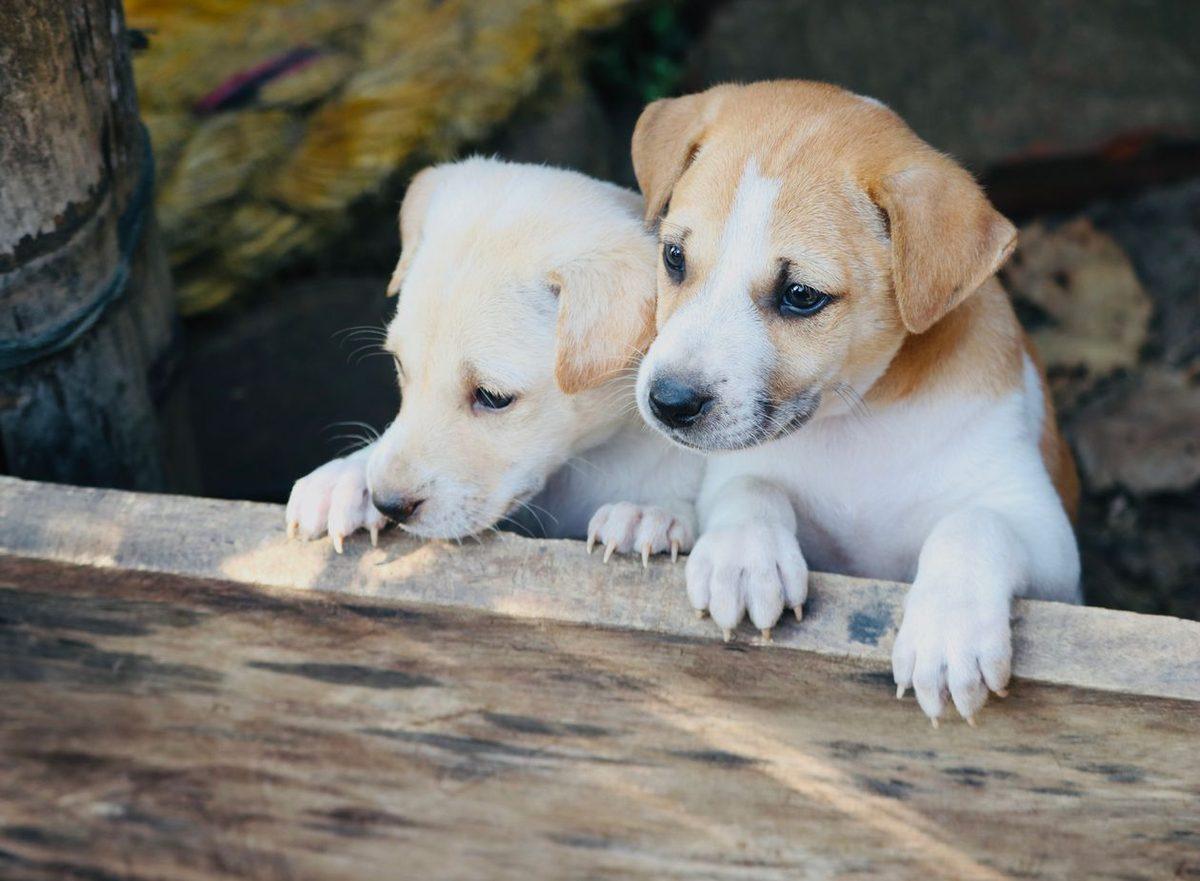
The first month sets the trajectory for the next fifteen years. The Shiba Inu you bring home is independent, cat-like, and reserved with strangers; their advantage is natural cleanliness — many Shibas house train faster than average, and the thing to manage from day one is aloofness, escape artistry, and dramatic protests during handling and nail care. This week-by-week plan sequences the work so nothing critical — especially the socialization window — gets crowded out by the urgent-but-trivial.
The Shiba Plan: Step by Step
Week 1: Settle and observe
Vet check within 72 hours. Establish the sleep–eat–toilet cycle, start crate conditioning, and begin name recognition. Keep visitors minimal and the world small. Your only training goals: toilet outside, sleep in the crate, name means look at me. Everything else is bonding and observation.
Week 2: Open the world carefully
Begin the socialization circuit: carried outings, surfaces, sounds, gentle handling, and one or two calm dog friends. Start alone-time micro-absences. Introduce sit with a lure. Keep sessions tiny — a small puppy's focus is measured in minutes, and success stacks faster than difficulty.
Week 3: Skills and independence
Leash skills indoors, recall games in the hallway, and the first mat settle. Stretch alone time toward 20–30 minutes with a frozen food toy. Second vet visit if boosters are due. For a Shiba, this is also the week to start grooming handling in earnest — their dense double coat will need it for life.
Week 4: Proof and plan
Take foundation skills to the garden and a quiet street. Review the logs: toilet accidents per day, night waking, alone-time duration, socialization list. Set month-two goals — usually adolescent-proofing basics: door routine, greeting manners, and longer alone time. Book training classes if you have not already.
All month: the non-negotiables
Sleep 18–20 hours. Meals on schedule. No punishment-based methods. Daily handling. Weekly weight check. These five boring disciplines produce the "naturally well-behaved" puppies other owners envy — who are, without exception, puppies whose humans ran a system.
First-Month Priorities for the Shiba
Breed-tune the plan in three places. Socialization emphasis: this breed's adult risks center on aloofness, escape artistry, and dramatic protests during handling and nail care, so front-load those exposures in weeks 2–3. Handling emphasis: Brush weekly, daily during coat blows; most Shibas dislike baths, so build handling gradually — the grooming relationship is built now or fought later. Health emphasis: Ask your vet about patella and eye checks; prioritize cooperative-care training early. Finally, exercise honesty: your puppy will grow into an adult needing 60 minutes daily, but this month, play and training replace mileage entirely.
Mistakes to Avoid
- Front-loading freedom: full house access and no confinement in week 1 creates toilet and chewing habits you will spend months undoing.
- Postponing socialization until vaccinations finish at 16 weeks — that misses the window. Use carried and controlled formats instead.
- Comparing your puppy to internet puppies. Breeds, lines, and individuals differ; your logs, not social media, are the benchmark.
Related Guides
Shiba Inu Puppy Guide →
All Shiba guides in one place.
First Week Guide →
The First Year →
Complete Training Roadmap →
Frequently Asked Questions
When should my Shiba Inu puppy first visit the vet?
Within 72 hours of coming home for a baseline exam, then per the vaccination schedule your vet sets (typically boosters every 3–4 weeks until about 16 weeks). Bring breeder records, a fecal sample if requested, and your questions list — including this breed's watch items: Ask your vet about patella and eye checks; prioritize cooperative-care training early.
How much should my Shiba puppy have learned by one month?
Realistic targets: name response, sit on cue indoors, sleeping through most nights, a clear toilet pattern with few accidents, 20–30 minutes of calm alone time, and a good start on leash and handling. Recall and stay are games at this stage, not skills. Puppies ahead or behind this curve are both normal.
Is it okay that my puppy still has accidents at week 4?
Yes — bladder control and the communication system are still maturing. What should improve weekly is the trend: fewer accidents, more warning signals, longer holds. If accidents are increasing or your puppy strains, squats constantly, or drinks excessively, that is a vet visit, not a training issue.
Should I enroll my Shiba in puppy classes in the first month?
Yes, if the class requires first vaccinations, cleans the floor, and is run by a qualified positive-reinforcement trainer. Good classes teach as much socialization structure as obedience. Avoid any class that uses choke chains, flooding, or forced interactions — for any breed, and especially a sensitive one.