
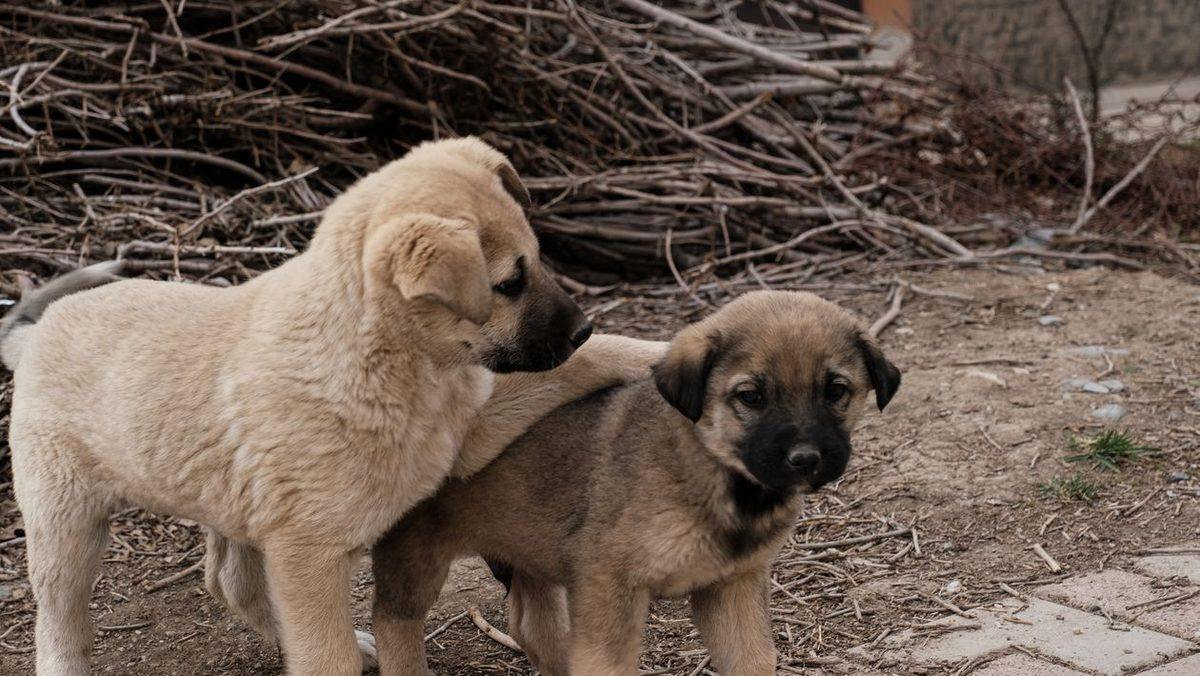
Dog fear in puppies ranges from normal caution to a developing phobia, and the difference is made by what happens next. Well-meaning owners often flood fearful puppies with dog contact — parks, busy classes, forced greetings — and manufacture the reactivity they feared. This plan does the opposite: distance, choice, and a few excellent dogs.
The Plan: Step by Step
Find your puppy's thinking distance
The distance at which your puppy notices a dog but can still eat, play, and respond to you. That distance is your classroom. Every session starts there, not closer. It will shrink over weeks — that shrinking is the progress metric that matters.
Run look-and-treat sessions
Dog appears at distance: mark, treat. Dog leaves: treats stop. Keep sessions short and frequent. Your puppy is learning a new emotional equation — dogs predict good things and nothing is demanded of them. No greetings at this stage; observation is the work.
Recruit one excellent adult dog
A calm, tolerant, vaccinated adult who ignores puppies politely is worth a hundred park dogs. Parallel walks (same direction, comfortable distance) come first, then brief off-leash time if both dogs are relaxed. Let your puppy approach and retreat freely — choice is the active ingredient.
Protect against setbacks
One bad incident — being rushed, bowled over, or snapped at — can erase weeks. Choose venues accordingly: no dog parks, no off-leash strangers, greetings only with dogs you have vetted. When a loose dog rushes you, body-block, scatter treats on the ground, and leave.
Build the dog-free skills too
Recall, leash skills, and engagement with you are the scaffolding that makes dog encounters manageable. A puppy who can disengage and come to you has an exit strategy everywhere. Train them in low-distraction settings and bring them along as the dog work progresses.
Caution vs Fear vs Reactivity
Normal caution: a young puppy hangs back, watches, then investigates or relaxes. Fear: trembling, hiding, fleeing, refusing food near dogs. Reactivity: barking and lunging that is usually fear wearing armor. All three improve with the distance plan; reactivity and true fear deserve a certified trainer early, because both entrench with rehearsal. Genetics and early litter experience set the starting point — your job is the trajectory.
Mistakes to Avoid
- Dog parks as socialization for a fearful puppy — uncontrolled dogs, no exits, maximum rehearsal of fear.
- Holding the puppy while dogs sniff them: trapped, elevated, and unable to use body language — a fear multiplier.
- Punishing barking at dogs. The bark is a symptom; punishing it leaves the fear and removes the warning.
Related Guides
Frequently Asked Questions
Will my puppy outgrow fear of dogs?
Mild caution often improves with maturity and good experiences. True fear rarely resolves without a plan, and avoidance alone does not fix it — the puppy just practices being afraid at a distance. The earlier the staged work starts, the better the prognosis; puppyhood brains are still wiring their defaults.
Should I get a second dog to teach confidence?
Not as a treatment. A confident resident dog can help some puppies, but acquiring a dog is a decade-long decision that should never be a therapy tool — and it can also produce two dogs with problems. Run the training plan; if a second dog fits your life later, your puppy will be readier for it.
My puppy is fine with small dogs but scared of big ones. Normal?
Very common and quite rational from puppy height. Work the same distance plan with large dogs as the category, and recruit a gentle giant as the training partner if you can. Size-specific fear usually generalizes downward as confidence grows.
When should I hire a professional?
If your puppy panics (cannot eat at any practical distance), if barking-lunging is developing, or if progress stalls after three to four weeks of correct work. Fear cases are the highest-value use of a certified trainer — the techniques are simple but the timing and distance judgments benefit from experienced eyes.