
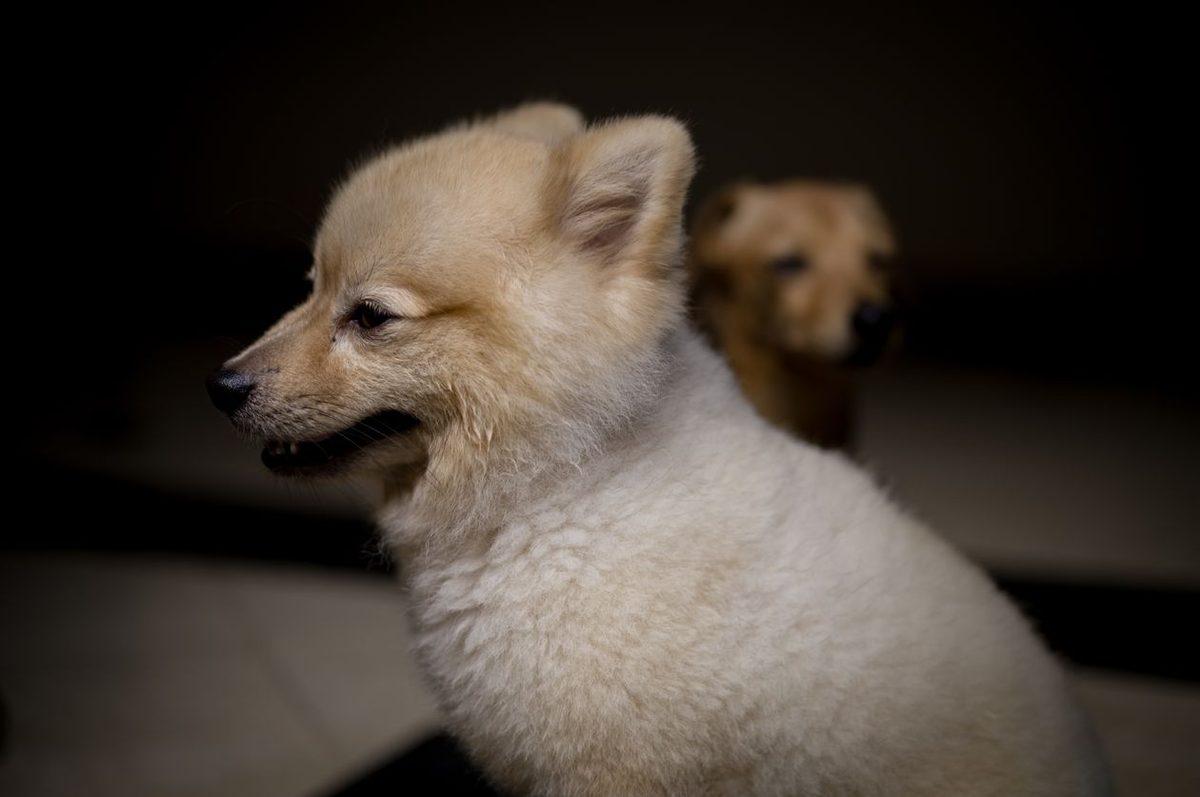
Most coat problems are type mismatches: owners brushing a double coat like a smooth one, or bathing a curly coat without drying it straight. Puppy coats also change — the soft puppy coat is replaced by the adult coat between roughly 4 and 12 months, often with a matting-prone transition. This guide organizes care by the five coat families.
The Plan: Step by Step
Double coats (retrievers, shepherds, spitz types)
Brush weekly with an undercoat rake or slicker, daily during the twice-yearly blow. Never shave a double coat except medically — it regulates temperature and may not regrow correctly. The undercoat is the insulation; your job is keeping it loose and dry, not removing it wholesale.
Curly and wool coats (poodles, doodles, bichons)
Brush several times a week to the skin with a slicker, then check with a comb — if the comb cannot glide to the skin, mats are forming. Professional grooming every 4–8 weeks maintains the cut. Bathing without brushing first felts mats tighter; brush, bathe, dry fully, brush again.
Silky and long coats (spaniels, yorkies, shih tzus)
Brush several times a week (daily in full coat), working in sections with a pin brush and detangling spray. Keep a sanitary trim and clear the hair from eyes and ears. Many pet owners choose a shorter clip — a legitimate welfare-friendly decision that trades show looks for a manageable routine.
Wire coats (terriers, schnauzers)
Brush weekly; the harsh texture is maintained by hand-stripping (rolling the coat) or is softened permanently by clipping — a choice to make knowingly with your groomer. Wire coats shed little but trap dirt; regular brushing keeps the jacket healthy.
Smooth coats (labs are double; think boxers, beagles, pugs)
The easy family: a weekly once-over with a rubber brush or grooming mitt removes loose hair and distributes oils. Do not be fooled by short hair — smooth coats shed constantly and benefit from the routine as much as any type.
The Puppy-to-Adult Coat Change
The transition to the adult coat (timing varies by breed, often 4–12 months) is peak matting season for coated breeds: the fine puppy coat tangles as adult texture grows through it. Increase brushing frequency during the change, and consider a shorter clip to ride it out. Owners who do not know this phase exists often present groomers with a fully felted puppy and a shave-down as the only humane option.
Mistakes to Avoid
- Surface brushing — fluffy on top, felted at the skin. The comb-to-skin test never lies.
- Shaving double coats for summer. It removes the insulation that protects from heat and sun.
- Bathing a matted coat. Water plus mats equals felt; brush out first or clip out.
Related Guides
Frequently Asked Questions
How do I get a mat out safely?
Small, loose mats: work them apart with fingers and a detangling spray, then brush in layers. Tight or skin-close mats: clip them out with clippers (never scissors against skin — skin tears are the classic grooming injury) or let a groomer do it. If the coat is widely felted, a full clip is kinder than hours of pulling.
Why is my puppy shedding so much suddenly?
Seasonal coat blows (double coats), the puppy-to-adult changeover, and occasionally stress or nutrition issues. Sudden shedding with bald patches, itching, redness, or dull coat is a vet item; shedding with healthy skin and coat underneath is weather and age doing their work.
What shampoo should I use?
A dog-formulated shampoo, ideally puppy or sensitive-skin for young dogs. Human shampoo has the wrong pH for dog skin. Medicated shampoos only on veterinary direction for specific conditions — they are treatments, not upgrades.
How often should my puppy see a groomer?
Coated breeds: every 4–8 weeks for the cut, with home maintenance between. All puppies benefit from one or two short introductory salon visits (bath, brush, nails, treats) in the first months so the environment is familiar before the first full groom.