
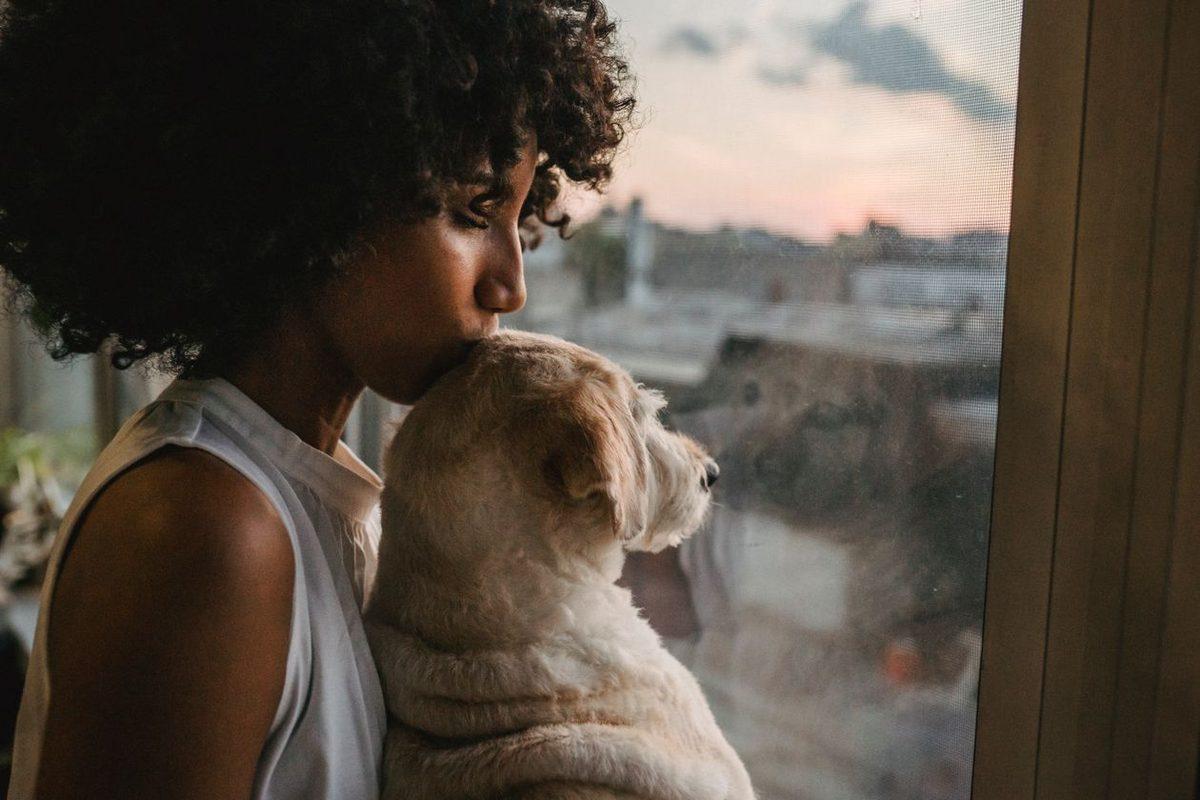
Velcro puppies are delightful — a small shadow following room to room. The line to watch is not affection but panic: a puppy who cannot rest unless touching you, and who unravels when you leave, is rehearsing a problem. This guide builds independence gently, keeping all the closeness while removing the fragility.
The Plan: Step by Step
Pay for independent choices
When your puppy settles on their bed, plays with a toy solo, or chews in another room, that behavior earns quiet rewards — a treat delivered to the bed, calm praise. Most owners only notice the puppy when they are underfoot; flip the attention economy so independence is what gets noticed.
Set up solo stations
A pen or gated area with the best chews, a snuffle mat, and a comfy bed, used while you are home and visible at first. Solo time should start as a pleasant hangout, not an exile — the puppy chooses the good stuff that only happens there.
Practice micro-absences daily
Step out of sight for seconds, return without fuss, build to minutes. Bathroom trips, mailbox runs, and shower time are free training reps — use them deliberately. The lesson compounds: you always come back, and nothing bad happens in between.
Reduce the follow reinforcement
You do not need to cold-shoulder your puppy, but you can stop narrating and petting every follow. Let some room-to-room trips be boring. Alternate: sometimes the puppy joins you, sometimes a gate and a chew say "this trip is solo." Variety teaches flexibility.
Watch for the panic markers
Whining that escalates when you prepare to leave, destruction at doors, drooling, or refusal to eat when alone are beyond clinginess — that is separation anxiety territory. Film departures to see the truth, and move to the separation plan (and your vet) if those signs appear.
Breed and Bonding
Companion breeds were selected for closeness — velcro behavior is their design spec, not a defect. The goal is never a distant dog; it is a dog whose closeness is a preference rather than a panic-avoidance strategy. Puppies also go through normal attachment phases in the first weeks home. Judge by trajectory: a healthy puppy gets gradually braver; a puppy getting more frantic over weeks needs the anxiety plan, not more time.
Mistakes to Avoid
- Suddenly imposing long absences to "teach independence" — flooding creates the panic you are trying to prevent.
- Sneaking out to avoid goodbyes. Predictable, boring departures teach safety; disappearing acts teach vigilance.
- Getting frustrated at the following and pushing the puppy away emotionally. Independence is trained with rewards, not rejection.
Related Guides
Frequently Asked Questions
Is clinginess a sign of separation anxiety?
Not by itself. Clinginess plus panic behaviors when alone — vocalizing, destruction, drooling, not eating — is the anxiety picture. Clinginess with a puppy who rests fine when you leave is just temperament. The departure video is the honest test: watch what your puppy does in the first ten minutes alone.
How much alone time should a puppy practice?
Daily micro-doses scaled to success: seconds building to minutes in the first weeks, toward an hour or two by 4–5 months for most puppies, always below the panic threshold and paired with good chews. Quality (calm) beats quantity (duration survived in distress) every time.
My puppy follows me but is fine when I actually leave. Should I still train this?
Light-touch version: keep rewarding independent choices and solo stations, and you can skip intensive absence training. That puppy has preference without panic — the goal state. Maintain the habits so schedule changes (a return to office work) do not create a cliff.
Will a second pet help a clingy puppy?
Sometimes the company helps; sometimes you get a clingy puppy plus a second pet, and littermate-style complications if the addition is another puppy. Solve the independence training first — it is cheaper, faster, and it works regardless of household composition.