
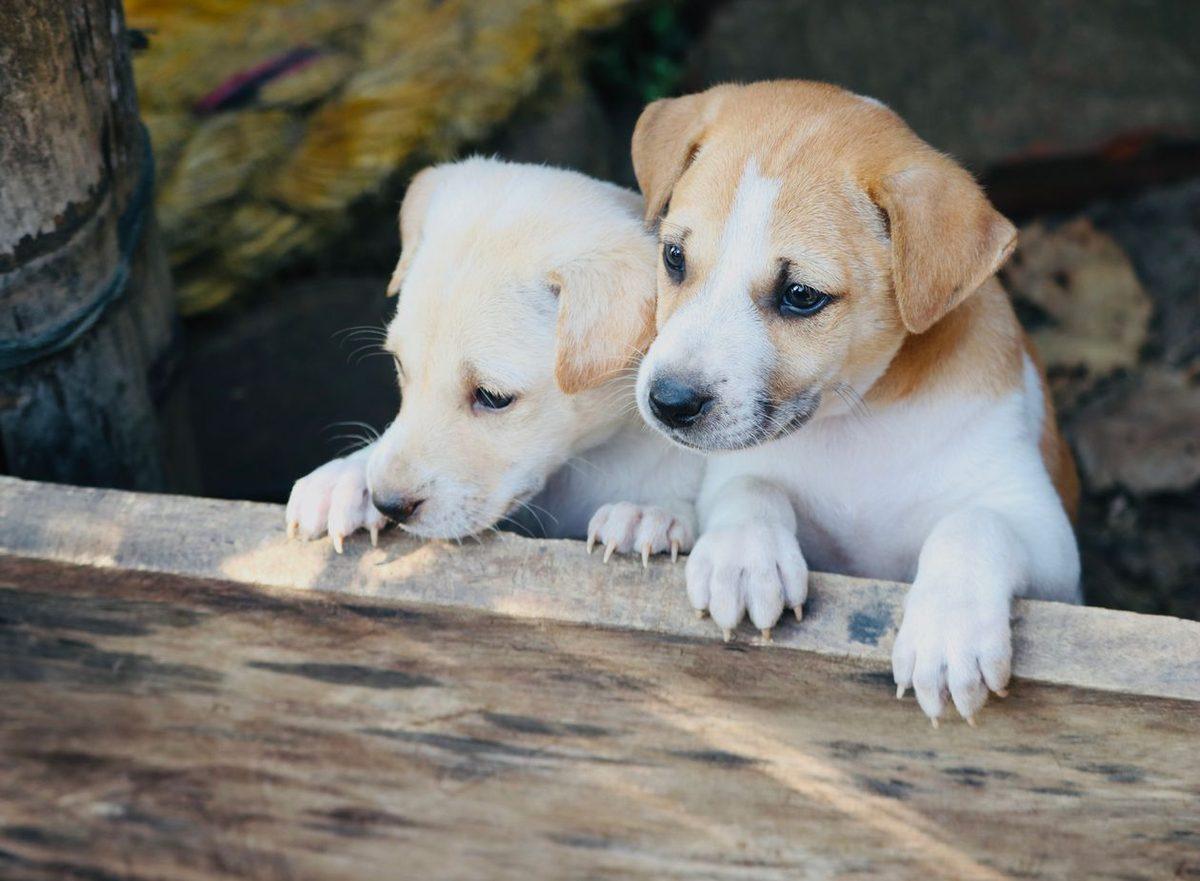
Puppies and children can be wonderful for each other, and the relationship is built on management, not hope. Children move, squeal, grab, and fall; puppies mouth, jump, and startle. This guide gives you the operating system: supervision levels, the rules children can actually follow, the puppy body language every adult must know, and the structured games that make the relationship a success story.
The Plan: Step by Step
Use the three supervision levels honestly
Active: adult within arm's reach, watching, no phone. Passive: adult in the room but occupied — acceptable only for older children with a calm, known puppy. Absent: barrier between them. Any child under five plus any puppy means active or absent — there is no passive level at that age.
Teach children the four rules
One: the puppy can always leave — never follow, grab, or corner. Two: no hugging, kissing faces, or picking up. Three: if the puppy gets mouthy or wild, freeze like a tree and call an adult. Four: the puppy's bed and crate are a no-children zone, always. Simple, testable, enforceable.
Learn the puppy's stress signals
Turning away, lip-licking, yawning, whale eye (whites showing), freezing, and moving away are a puppy asking for space. Growling is a later warning — never punish it; thank it and separate them. Adults who read the early signals prevent the incidents that end with "the dog snapped for no reason."
Structure the good interactions
Children as treat-deliverers in training games (with adult coaching), fetch with two balls, hide-and-seek with treats, and calm reading-aloud time near the resting puppy. Structured activities channel the relationship into patterns that are safe and bonding for both.
Manage the arousal spirals
Running, screaming play plus a puppy equals mouthing and knocking-down within minutes. When energy spikes, separate kindly: puppy gets a chew in the pen, children continue their game. Reunite when both sides are calm. This rhythm — together, apart, together — is what real households actually run on.
The Honest Statistics
Most dog bites to children involve a familiar dog, at home, during everyday interactions like hugging, resource proximity, or rough play — not attacks by strange dogs. That is good news: the risk lives exactly where your management works. Resource zones (food, chews, toys, resting spots) deserve the strictest separation, and any growling or guarding around children earns a professional consultation promptly.
Mistakes to Avoid
- "They're fine, she loves kids" as a supervision policy. Affection does not repeal physics or startle reflexes.
- Letting children hug, ride, or dress up the puppy for photos while the puppy shows stress signals.
- Punishing a puppy for growling at a child — you remove the alarm, not the feeling, and the next warning may be a bite.
Related Guides
Frequently Asked Questions
What age child can be left alone with a puppy?
There is no magic age, but as a working rule: no child under about 10–12 should be unsupervised with any dog, and maturity matters more than birthdays. Even then, start with short, checked intervals and a puppy with a proven calm record. Barriers and pens make "unsupervised" unnecessary in most homes anyway.
My puppy knocks my toddler over constantly. What do I do?
Separate by default (gates, pens) and reunite for structured, calm activities on leash or with the puppy behind a barrier the toddler can toss treats through. Teach the puppy a mat settle and four-paws greetings. Toddlers and loose puppies are the highest-risk combination in the house — manage it like it matters, because it does.
How do I prepare a puppy for a new baby?
Start months ahead: baby sounds at low volume with treats, walking practice beside the pram, nursery boundaries, and the settle skills the puppy will need. After the birth, keep routines predictable and give the puppy sanctioned inclusion (sniffing a worn blanket, treats during feeds at a distance) rather than total exile.
My puppy growled at my child. What now?
Separate them calmly, note the context precisely (what was the child doing, where was the puppy, what was nearby), and book a certified behavior professional. Growling is valuable information, not a crime — but growling at children always deserves professional eyes, and interactions pause until you have a plan.