
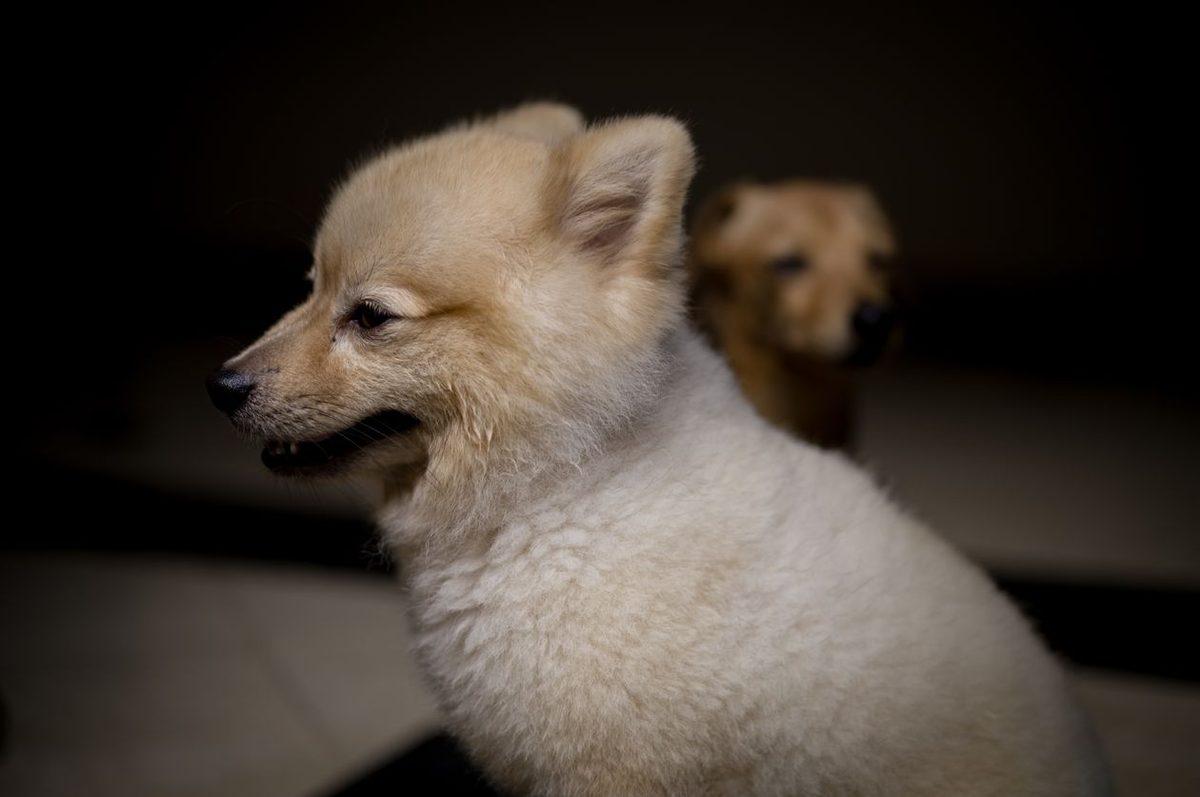
Behavior problems dissolve surprisingly often when sleep is fixed. The Poodle is brilliant, athletic, and proud, and a tired Poodle defaults to boredom behaviors like barking and creative mischief when under-stimulated. This guide builds a realistic daily rhythm for a medium puppy — wake windows, nap architecture, feeding anchors, and the evening wind-down that produces sleeping through the night.
The Poodle Plan: Step by Step
Run the day in 60–90 minute cycles
Wake, toilet, play or train for 20–40 minutes, toilet again, then nap. Young puppies cannot regulate arousal; the cycle does it for them. Write the rhythm on the fridge — for a Poodle, predictability itself is calming, because this breed reads household patterns quickly.
Enforce naps in a boring, dark place
Most puppies will not choose to nap enough. Put them in the crate or pen with a safe chew at cycle end, cover, and leave. Protest usually lasts minutes; sleep follows. Puppies who "never nap" are almost always puppies whose environment never permits it.
Anchor the day with meals
Feed at consistent times — meals structure toilet trips, training motivation, and the evening wind-down. A medium puppy under six months eats three to four times daily. Train before meals when food motivation peaks; play after toilet breaks, not before.
Build the evening wind-down
Last big play session ends an hour before bed. Then: calm chew, final toilet trip at the latest hour you can manage, lights low, same bedtime phrase. A Poodle who learns the sequence starts settling at its first steps — routine is a sedative you build, not buy.
Handle night waking by the checklist
Toilet need, cold or heat, hunger, loneliness — in that order. Answer with a silent toilet trip and straight back to bed. If the checklist is clear, wait out protest near the crate without entertainment. Night waking usually resolves by 12–16 weeks when days are structured.
Sleep Needs and the Poodle Temperament
Breed energy changes the surface, not the requirement: even a breed with high energy needs those 18–20 hours as a young puppy. What differs is the failure mode — in this breed, overtiredness typically appears as boredom behaviors like barking and creative mischief when under-stimulated. Coat and climate also matter for sleep quality: a curly, low-shedding coat can overheat in a covered crate in a warm room, so check temperature and airflow. Health note: Ask your vet about hip screening and eye checks; the low-shedding coat still needs consistent care — mention persistent restlessness or snoring changes at vet visits.
Mistakes to Avoid
- Keeping the puppy up all evening "so they sleep at night" — overtired puppies sleep worse, in lighter, broken stretches.
- Letting weekend schedules drift hours later than weekdays; puppy body clocks do not observe weekends.
- Napping the puppy in the middle of household chaos and concluding they "aren't tired." Environment, not need, is the issue.
Related Guides
Poodle Puppy Guide →
All Poodle guides in one place.
Puppy Sleep Schedule →
Crate Training Guide →
First Week With Your Puppy →
Frequently Asked Questions
My Poodle puppy sleeps all day and parties at night. Fix?
Flip the pattern gradually: wake them for the morning cycle at a fixed time, add daylight and activity in the morning, keep evenings dim and calm, and shift in 30-minute steps over a week. Check total sleep too — some "night party" puppies are actually under-slept and dysregulated around the clock.
Where should my Poodle puppy sleep?
In their crate or pen near where you sleep for the first weeks — proximity reduces night stress and lets you hear toilet needs. Many owners later move the crate to its permanent spot gradually, a few feet per night. What matters is consistency of place and routine, not the specific room.
Is it normal for puppies to twitch and whimper in sleep?
Yes — puppies spend more time in REM sleep than adults, and twitching, soft barks, and paddling are normal dreaming. Let them sleep through it. Wake a puppy only for scheduled toilet trips, and do that gently with voice before touch.
When will my puppy sleep through the night?
Most puppies manage a 6–8 hour stretch by 12–16 weeks if the last toilet trip is late, the evening meal is not too early, and the crate routine is consistent. Small and toy breeds sometimes take a little longer because of smaller bladders. Regressions during teething and growth spurts are normal and temporary.