
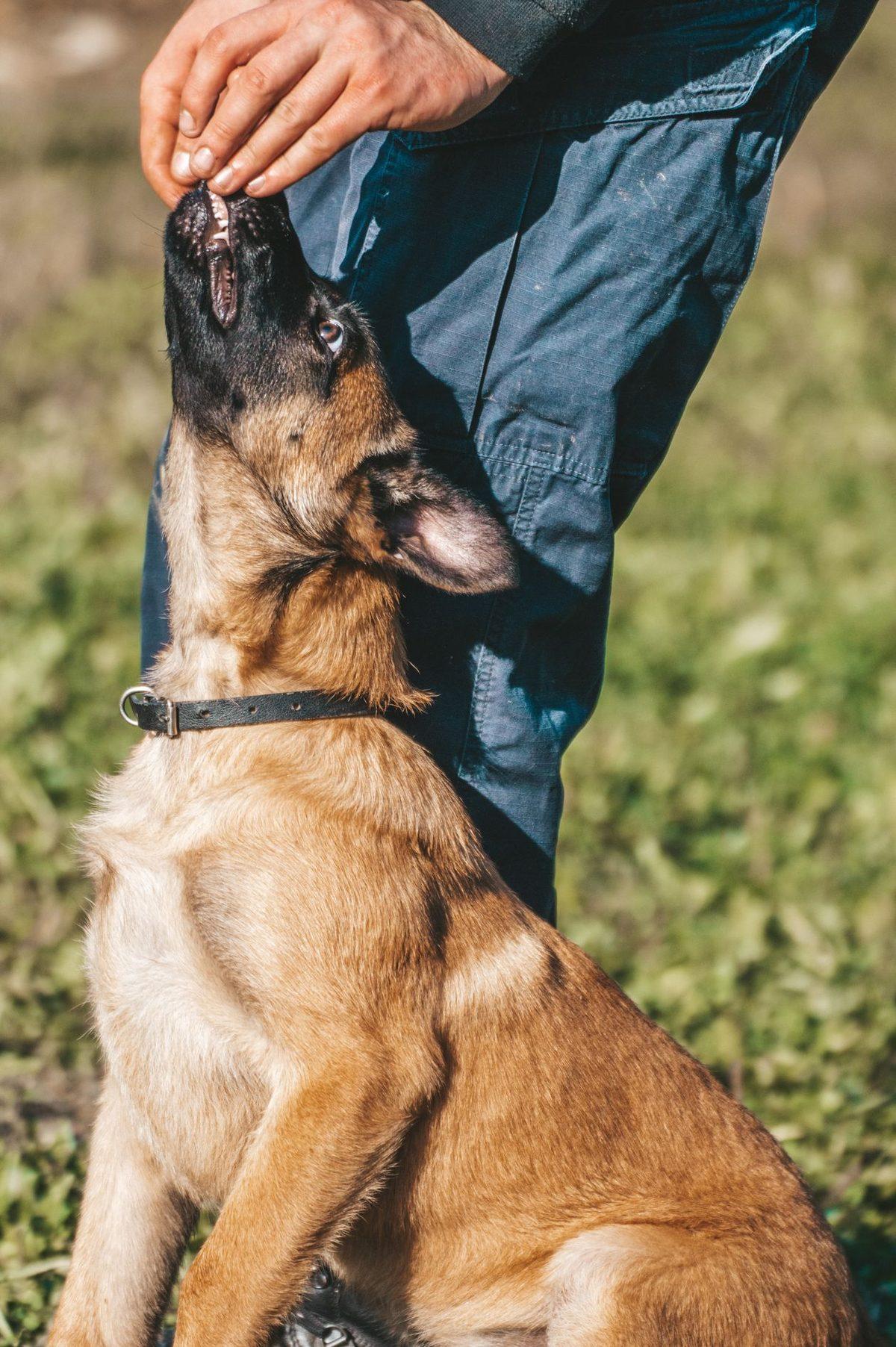
Every puppy bites; the Pomeranian adds breed flavor to the problem. This breed is bold, lively, and convinced they are much bigger than they are, and their chewing profile is shaped by alert barking, fragility during rough play, and big-dog confidence around large dogs. A toy puppy's needle teeth hurt now, but the real stakes are the adult jaws behind them — a 3–7 lb dog who never learned pressure control is a genuine risk. This plan teaches soft mouth first, then manners.
The Pom Plan: Step by Step
Set up legal chewing everywhere
Puppies chew what is available. Put an approved chew in every room: rubber food-stuffers, rope toys, teething rings you can freeze. When your Pom picks up anything illegal, swap calmly — do not chase or scold, which turns theft into a game. Rotate toys every two days to keep them novel.
Teach pressure with feedback
During play, if teeth press hard on skin, give one clear "ouch," go still, and withdraw attention for 10–20 seconds. Resume play. Repeat: hard bites end fun, gentle mouths keep it going. Every family member must use the same rule, or the puppy learns one person is a legal chew toy.
Manage the witching hours
Biting peaks when puppies are overtired or overstimulated — typically evenings. An enforced nap in the crate or pen often "fixes" a biting frenzy in one sleep cycle. Track the pattern: most Pom puppies bite hardest in the hour before they crash.
Work the teething timeline
Adult teeth erupt between roughly 12 and 24 weeks, and chewing intensity follows the discomfort. Offer frozen wet washcloths (supervised), frozen carrots, and chilled rubber toys. If chewing suddenly worsens around 5 months, you are likely in peak teething, not a behavior regression.
Proof calm greetings and play endings
Teach a settle on a mat and a "game over" cue: play stops, toy is traded for a treat, puppy gets a chew in the pen. Arousal that has an off-switch is the long-term answer to mouthy play in a breed whose adult exercise need is 30 minutes a day.
The Pom Mouth: Breed Notes
Mouths differ by breed purpose. Retrievers carry, terriers grab and shake, herders nip at movement — and the Pomeranian's version is driven by being bold, lively, and convinced they are much bigger than they are. Channel it deliberately: structured tug with rules (start on cue, drop on cue) satisfies the drive while building control. Also plan for the adult reality: a toy dog at 3–7 lb with a thick double coat with a plush ruff needs cooperative handling for dental checks, so pair mouth handling with food from the start. Breed health note: Ask your vet about dental care — toy breeds crowd teeth — and patella checks.
Mistakes to Avoid
- Holding the muzzle shut or alpha-rolling — confrontational methods increase biting and damage trust.
- Wearing the puppy out with more excitement when they are overtired; sleep is usually the actual need.
- Leaving shoes and kids' toys on the floor, then punishing the puppy for choosing them. Management is training.
Related Guides
Pomeranian Puppy Guide →
All Pom guides in one place.
Stop Puppy Biting Guide →
Destructive Chewing Fixes →
Biting Zoomies Explained →
Frequently Asked Questions
How long does Pomeranian puppy biting last?
Peak biting runs 8–16 weeks, eases as bite inhibition lands, then flares during teething (roughly 4–6 months) before settling. With consistent feedback most puppies are mouth-safe by 6–7 months. Biting that draws blood regularly, involves stiff body language, or targets faces should be assessed by a certified behavior professional.
What chews are safe for a Pom puppy?
Size-appropriate rubber toys, food-stuffed toys, and vet-approved dental chews. Avoid cooked bones, antlers, and hard nylon for puppies — fractured teeth are common and expensive. Always supervise chews and remove pieces small enough to swallow.
My puppy bites the kids more than adults. Why?
Children move fast, squeal, and wave hands at puppy height — a perfect storm of triggers, especially for a breed prone to alert barking, fragility during rough play, and big-dog confidence around large dogs. Teach kids to freeze like a tree when the puppy gets mouthy, run all interactions through structured games (fetch, trick training), and supervise every second. Separate with a pen when arousal climbs.
Is mouthing different from biting?
Yes. Mouthing is gentle, exploratory, and part of normal development — the goal is not zero mouth contact but zero pressure. Puppies who are never allowed to mouth at all can miss the feedback window for learning a soft mouth. Allow gentle mouthing in play, feed back on pressure, and redirect to toys for anything sustained.