
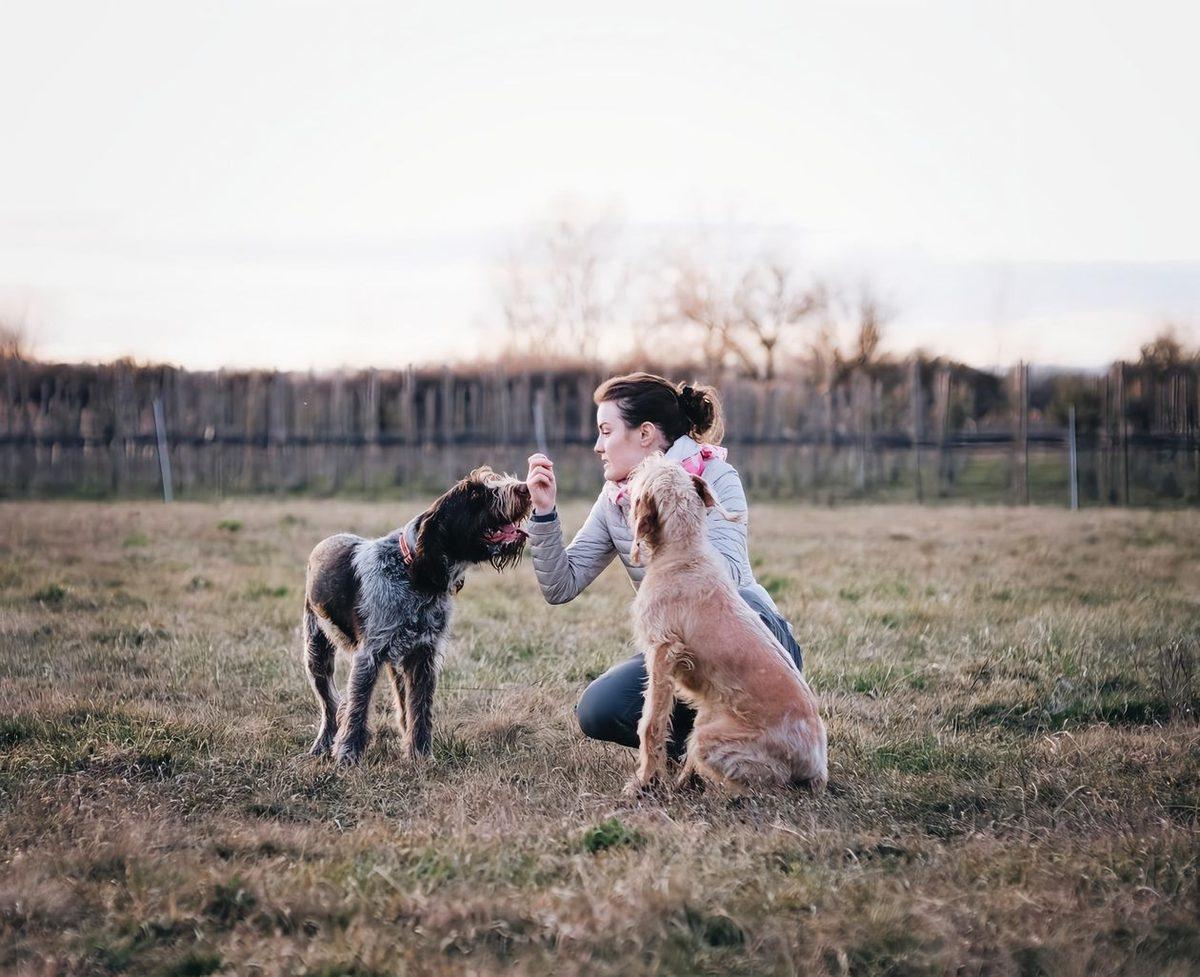
The back-door standoff is a rational puppy making a rational calculation: outside is play, inside is the end of play, and the human's call predicts the loss. Chasing and scolding confirm the math. This guide changes the economics so thoroughly that most puppies start sprinting to the door within two weeks.
The Plan: Step by Step
Audit what coming inside currently predicts
If 90% of calls inside end the garden session (and sometimes precede nail trims or baths), your puppy's reluctance is accurate learning. The fix is to change the prediction statistics, not to argue with them.
Run fake-out calls
Several times a day, call your puppy in, deliver a jackpot treat or a 30-second indoor game, then release them straight back out. The cue now predicts "brief excellent interruption" more often than "session over." This single drill resolves most standoffs.
Make arrivals pay every time
Even when the session really is over, arrival at the door earns something great — a chew, dinner, a favorite game indoors. Coming inside should feel like moving to the next good room, not being collected by the fun police.
Never chase, never corner
If you must retrieve your puppy, walk calmly, use a long line on garden time during retraining, or lure with a toy — then review which step failed. Chasing teaches keep-away as a game and is the main reason standoffs escalate from slow to impossible.
Use a long line while retraining
Garden time happens on a light long line for two weeks. Call once; if ignored, guide in gently with the line, still pay the arrival, and add more fake-outs. The line prevents rehearsing the ignore while the new economics install.
It Is Not a Recall Problem (Usually)
Most door-standoff puppies have fine recall in neutral contexts — the issue is the specific price tag on this one. That is why generic recall drills do not fix it but fake-outs do. If your puppy ignores recall everywhere, that is the broader recall project (long line, staged distractions) and this door protocol becomes one chapter of it.
Mistakes to Avoid
- Calling repeatedly while the puppy ignores — each repetition devalues the cue further.
- Scolding on arrival, whenever it finally happens. Late punishment lands on the arrival, teaching slower arrivals.
- Only calling when it is truly over. Predictability is the problem; fake-outs are the cure.
Related Guides
Frequently Asked Questions
How many fake-outs should I do per day?
Three to five, mixed into normal garden time, keeping the ratio honest: most calls inside should end with release back out during retraining. Once the sprint-to-door habit is solid, you can let the ratio drift back toward normal — but keep occasional fake-outs forever as maintenance.
My puppy comes to the door but dances away at the last meter. Why?
That last meter is where hands grab collars — your puppy has learned the grab, not the door, is the trap. Add a collar-touch-then-treat step to arrivals, and sometimes call, treat at the door, and release without any grab at all.
What if I genuinely need the puppy in NOW?
Use the long line, a toy lure, or walk them in on leash without the recall cue — save the cue's value. Emergencies are management moments, not training tests. Afterward, add extra fake-outs that week to repair the statistics.
Does this work for puppies who will not come in from walks ending at the front door?
Yes, same economics: the front door predicts walk-end. Add post-walk rituals the puppy loves — a chew, a game, dinner — and occasionally call to the door mid-walk-route for a treat and continue walking. The door becomes a place where good things also happen.