
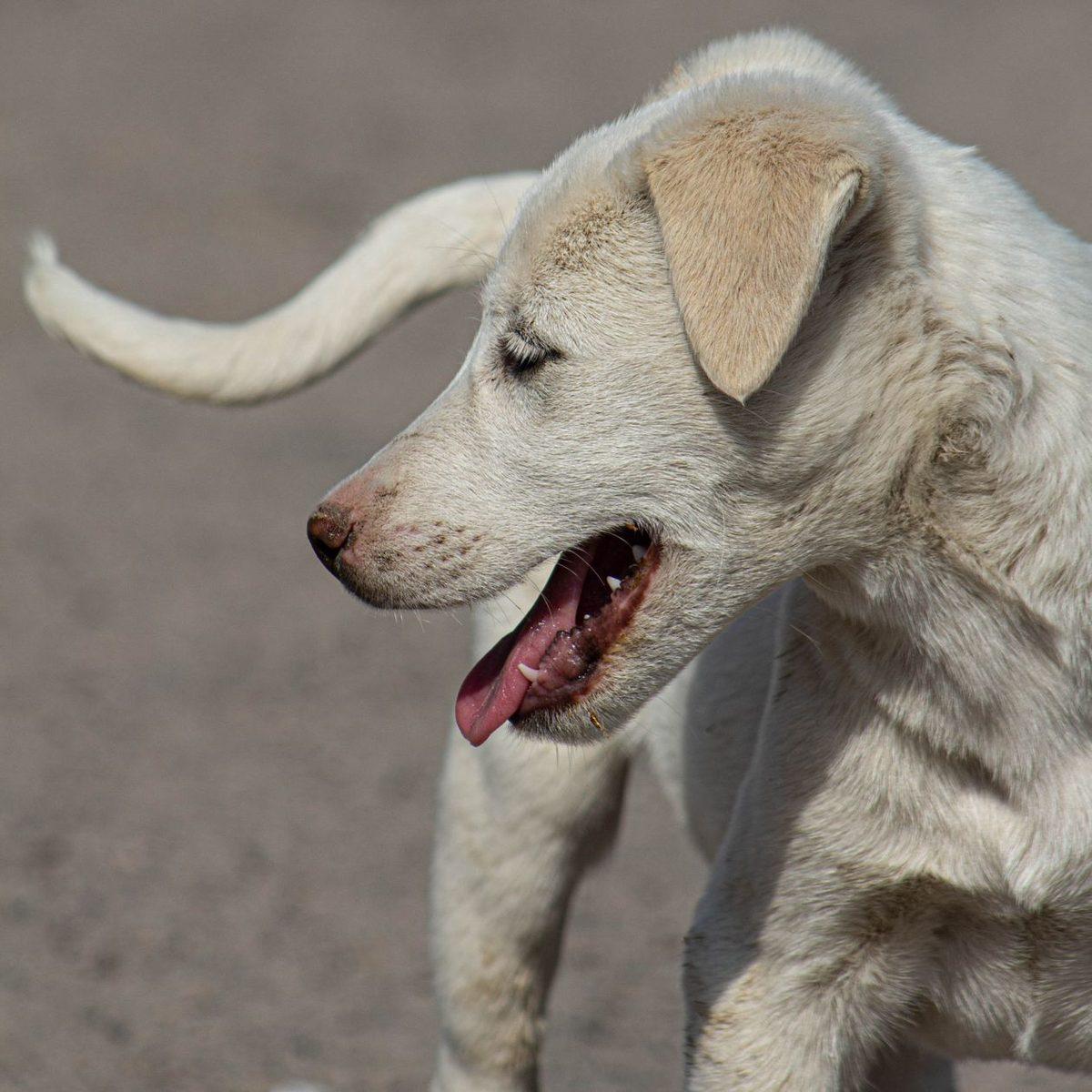
Exercise is where enthusiasm does the most damage. The German Shorthaired Pointer grows to 45–70 lb, and their growth plates — the soft cartilage at the ends of long bones — do not fully close until 12–18 months (later in large breeds). This breed is enthusiastic, intelligent, and built to run, with energy that reads very high. This guide balances the two truths: your GSP needs serious activity to be sane, and serious restraint to stay sound.
The GSP Plan: Step by Step
Apply the 5-minute rule to structured exercise
Leash walks and forced-pace activity: five minutes per month of age, up to twice a day. A 4-month-old gets 20-minute walks. Free play in the garden, where the puppy can stop, flop, and restart at will, is separate and self-regulated — that distinction protects joints while still burning energy.
Prioritize sniffing over distance
Twenty minutes of sniffy wandering tires a puppy more than twenty minutes of marching, with a fraction of the joint load. Let your GSP choose the pace and investigate — sniffing is also confidence-building socialization for a breed whose challenge list includes distractibility around birds and wildlife, plus boredom destruction without serious exercise.
Add brain work as the second engine
Training games, puzzle feeders, scatter feeding in grass, and cardboard-box treasure hunts burn energy through the mind. Ten minutes of learning a new trick can settle a puppy as effectively as a long walk — and it is safe at any age, in any weather.
Protect growing joints explicitly
No running on pavement, no repetitive ball launching, no stairs marathons, no jumping from height until growth plates close. For a medium breed headed to 45–70 lb, carry small puppies on stairs and lift them from cars. Swimming (once your vet approves and with a life vest) is the great exception: full-body, zero-impact.
Read the recovery, not the clock
A well-exercised puppy settles within 20–30 minutes of coming home. A puppy who gets more frantic after exercise was over-aroused, not under-exercised — shorten sessions and add calm sniffing. A puppy who is destructive despite exercise may need more sleep: young puppies need 18–20 hours a day.
Exercise Design for the GSP
Adult targets matter for planning, not for puppies: this breed's adult requirement of 90–120 minutes daily tells you the lifestyle you are building toward. Match activity type to breed design — a GSP built for their original work thrives when exercise includes that flavor (retrieving, sniffing, swimming, or herding games), and gets frustrated by pure repetition. Coat and climate count too: a short, dense coat changes heat management, so summer exercise moves to early morning and evening. Health note: Ask your vet about hip screening and bloat awareness.
Mistakes to Avoid
- Weekend-warrior pattern: couch all week, three-hour hike Saturday. Growing bodies need consistency, not spikes.
- Running puppies on leash or alongside bikes before skeletal maturity — a leading cause of preventable joint injury.
- Using exercise to exhaustion as a behavior fix. Fit puppies just become fitter problems; sleep and training do the real work.
Related Guides
German Shorthaired Pointer Puppy Guide →
All GSP guides in one place.
Complete Exercise Guide →
The First Year Guide →
Puppy Health Hub →
Frequently Asked Questions
Can my German Shorthaired Pointer puppy do stairs?
Occasional, slow, supervised steps are fine for most puppies, but repetitive stair climbing — especially racing down — loads shoulders and growth plates. Carry toy and small puppies; teach large-breed puppies to walk stairs slowly on leash. If your home has many stairs, a gate plus a plan beats daily marathons.
When can my GSP start running or hiking with me?
Short, soft-surface hikes can build gradually from around 6 months within the 5-minute rule. Sustained running waits until growth plates close — typically 12 months for small breeds, 14–18 for large ones like a dog reaching 45–70 lb. Confirm timing with your vet, who can assess your individual puppy.
My puppy gets hyper after walks. Am I under-exercising?
Usually the opposite: post-walk zoomies and biting signal over-arousal and overtiredness. Shorten the walk, add sniffing time, and enforce a nap afterward. Puppies who sleep properly need surprisingly little structured exercise to be calm and pleasant.
What are signs of too much exercise?
Limping or stiffness after rest, reluctance to continue, excessive panting that does not settle, and lagging behind. Stop, rest, and if lameness lasts beyond a day or recurs, see your vet. Growth-plate injuries are time-sensitive in young puppies.