
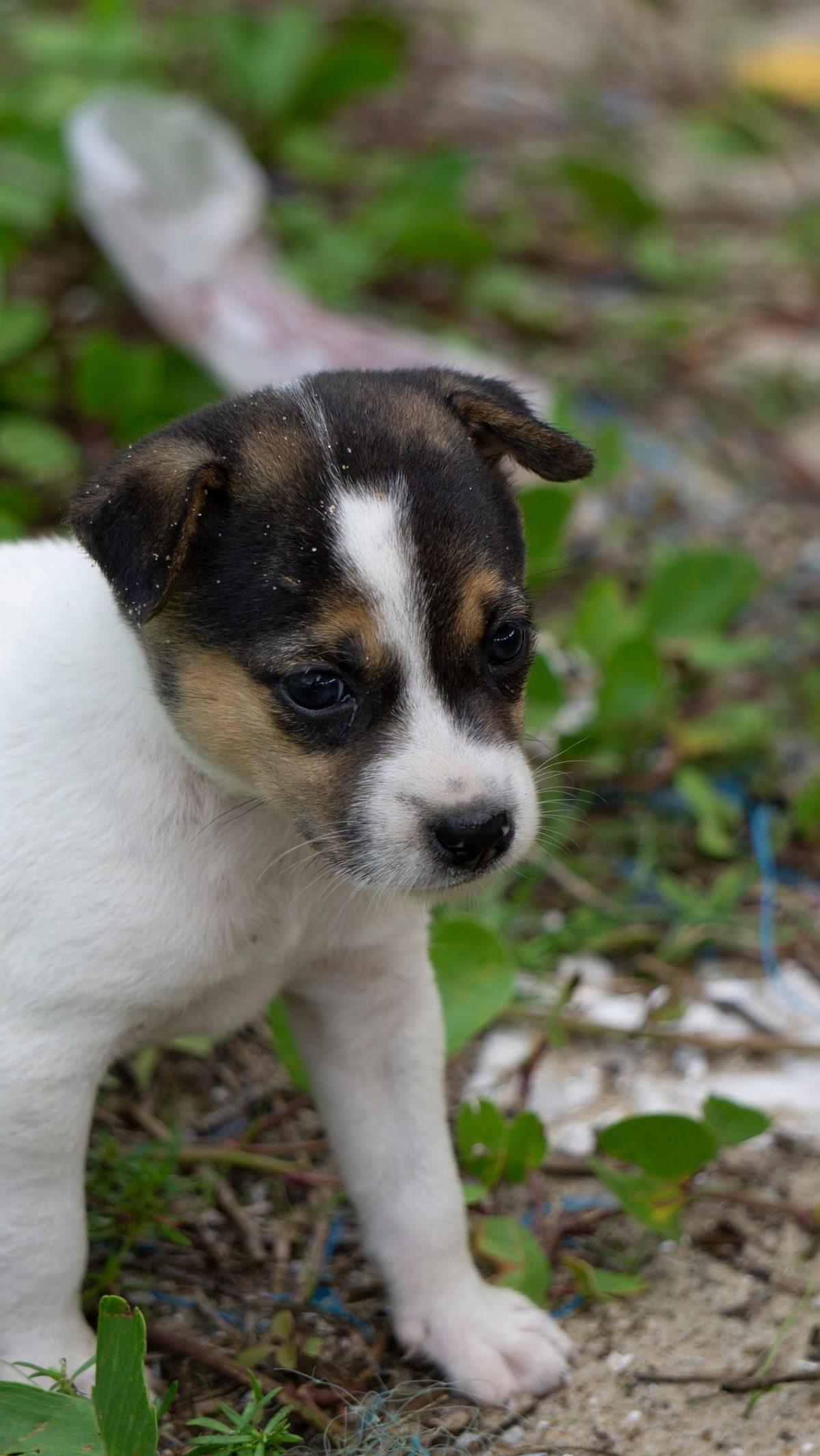
Recall is the one cue that can save your dog's life, and it is also the cue owners accidentally destroy most often. The French Bulldog is comical, affectionate, and people-oriented; their recall advantage is a strong desire to be near their humans, which makes engagement games easy to build. Their recall risk is stubborn streaks, heat sensitivity, and breathing limits that cap exercise and session length. This plan builds the cue in layers so that by the time your Frenchie is off leash anywhere, "come" has a hundred paid rehearsals behind it.
The Frenchie Plan: Step by Step
Make the cue word precious
Choose one cue — the name plus "come," or a whistle — and reserve it for recall only. For the first week, simply say it indoors and produce a jackpot: a handful of exceptional treats, one by one. You are buying an association before you ever test it.
Play recall games in the house
Two people, opposite ends of a hallway, taking turns calling and celebrating arrivals. Add hide-and-seek: hide somewhere easy, call once, and throw a party when found. Games build speed and joy — the two ingredients of a real-world recall.
Move outside on a long line
A 15–30 foot long line in a quiet area. Let your puppy sniff and wander; call once during a low-distraction moment. If they come, jackpot. If not, reel in gently without repeating the cue, and make the next rep easier. The line guarantees the cue never gets practiced being ignored.
Add distractions in order of difficulty
List your puppy's distractions from mildest to wildest: a leaf, a distant person, a familiar dog, wildlife scents. Proof one rung at a time, returning to the long line whenever you raise the stakes. For a Frenchie, expect stubborn streaks, heat sensitivity, and breathing limits that cap exercise and session length to be your highest rungs — budget extra sessions there.
Protect the cue forever
Never call your puppy to end play, administer medicine, or deliver a scolding — go and get them instead. Recall must predict only good outcomes. Keep paying with something meaningful for the first year, especially in adolescence when every breed's recall wobbles.
Recall Reality for the Frenchie
Honesty about breed matters here. Some breeds were selected for independent work at distance; others for handler cooperation. The French Bulldog sits where their temperament puts them: comical, affectionate, and people-oriented. That does not cap their recall — it sets the proofing budget. Off-leash reliability for a small dog also has a safety dimension: a under 28 lb adult moving at speed needs a recall that works the first time, every time, around roads and wildlife. Until your puppy has a proven recall in that specific environment, the long line stays on.
Mistakes to Avoid
- Calling repeatedly when the puppy is not coming — each ignored repetition teaches the cue is optional.
- Testing off-leash too early because "he comes in the garden." Gardens have no competing reinforcement; parks do.
- Chasing a puppy who does not come. Run away instead — pursuit games flip the direction of the chase.
Related Guides
French Bulldog Puppy Guide →
All Frenchie guides in one place.
Emergency Recall Guide →
Leash Training Guide →
Training Fundamentals →
Frequently Asked Questions
At what age can a French Bulldog puppy be off leash?
When recall is proven in that environment on a long line: fast, joyful returns in 9 of 10 trials across several sessions, including around the distractions present. For most puppies that is 6–12 months of staged work, and sensitive or high-prey-drive breeds may need longer. Legal leash requirements always apply regardless of training.
My Frenchie comes when I have treats but not otherwise. Fix?
The puppy has learned the sight of treats is the cue, not the word. Hide rewards on your person and in staged spots around training areas, so payment appears after arrival without being visible before. Also vary rewards: sometimes food, sometimes a thrown toy, sometimes release back to play — unpredictability keeps the cue valuable.
Should I use a whistle for my Frenchie?
A whistle carries farther than a voice, sounds identical every time, and never sounds angry. It is an excellent choice for breeds exercised in open country. Condition it exactly like a word cue: whistle, jackpot, repeat — then follow the same long-line proofing stages.
Recall worked until adolescence, then fell apart. Normal?
Completely. Between 6 and 14 months, hormones and confidence surge and the world gets more interesting than you. Go back to the long line, raise reward value, shorten distances, and wait it out with consistency. Owners who protect the cue through adolescence come out the other side with the most reliable adult recalls.