
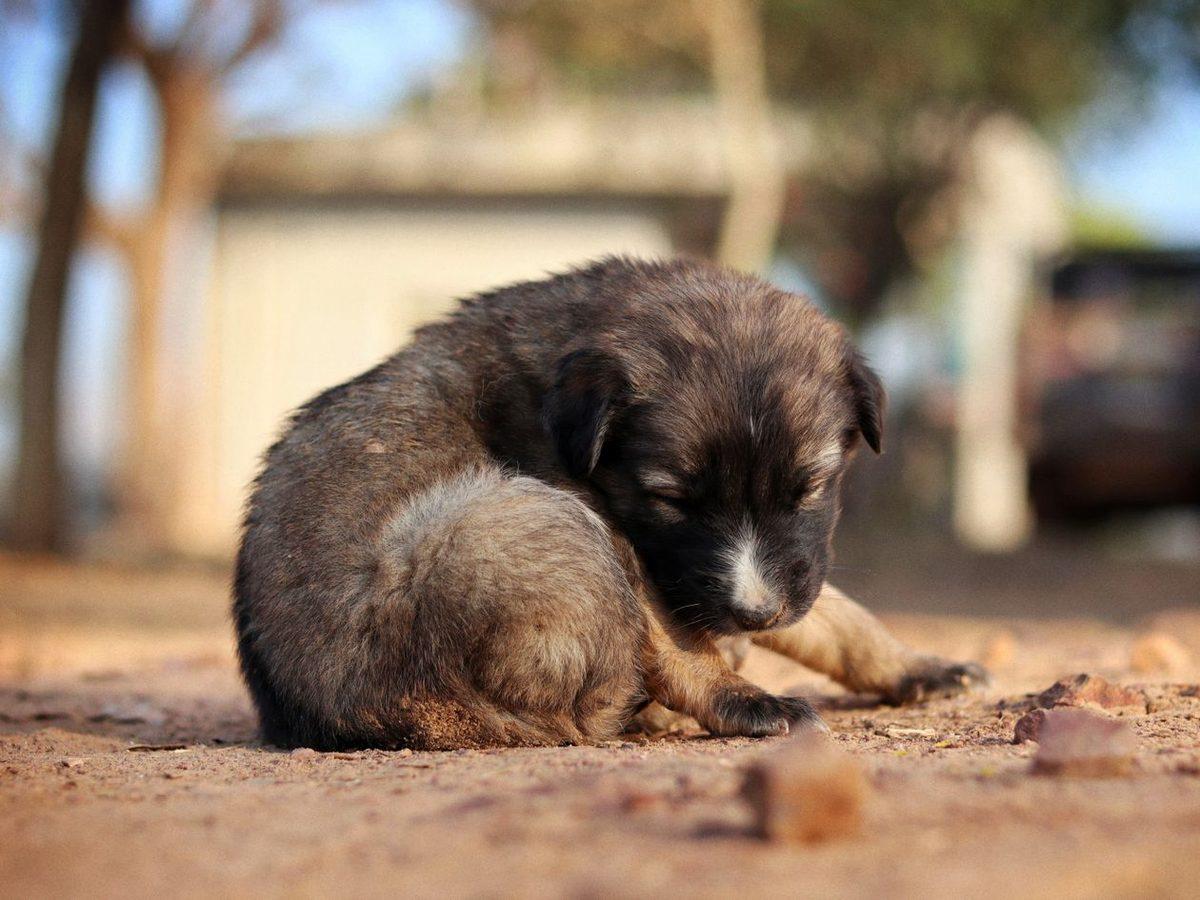
Stairs are genuinely hard for puppies: depth perception is immature, the geometry is strange, and one slip brands a lasting fear. There is also a physical dimension — repetitive stair use loads growing joints, so "can" and "should" are different questions. This guide builds confidence at the puppy's pace while respecting the orthopedic rules.
The Plan: Step by Step
Start at the bottom with one step
Play and treat near the staircase first. Then reward any interest in the first step — a sniff, a paw. Climb one step together and come straight back down. The retreat being easy is what makes advancing feel safe.
Teach down before up
Going down is scarier and riskier. Place your puppy on the second step (carried there), let them step down one to the floor and jackpot. Build to two, then three steps down before asking for full flights. Confidence flows from the direction they can control.
Make the surface honest
Slippery wooden stairs cause most stair fears and injuries. Add tread strips or a runner, trim long paw fur and nails, and keep the staircase lit. Many "fearful" puppies are simply puppies who slid once on a bad surface.
Respect the joint rules
Until growth plates close (12–18 months), stairs should be occasional and slow, not a daily cardio program. Carry toy and small puppies; walk large puppies on leash at a deliberate pace. Racing down stairs is the specific behavior to prevent — it loads shoulders and elbows hardest.
Generalize gently
Different stairs are different problems to a puppy: open risers, outdoor stone, shiny mall steps. Rebuild the game at each new staircase at whatever level your puppy offers. A puppy confident on five staircases has learned the category, not just your house.
Fear vs Physics
Some stair reluctance is wisdom: very young puppies (under about 12 weeks) have limited depth perception and coordination, and many breeders recommend minimal stairs in the first months. Sudden new stair refusal in an older puppy — especially with bunny-hopping, stiffness, or yelping — is a vet visit, not a training problem: hip and elbow pain often announces itself on stairs first.
Mistakes to Avoid
- Dragging or luring a puppy up a full flight before they are ready — one panic can set the project back weeks.
- Letting puppies race siblings or kids up and down stairs as a game.
- Assuming refusal is stubbornness and escalating pressure instead of checking surface, lighting, and pain.
Related Guides
Frequently Asked Questions
At what age can puppies do stairs?
Most puppies can learn a few supervised steps from about 12 weeks, building gradually. Full household stair use is best kept limited and slow until skeletal maturity. Follow your vet's guidance for giant breeds and any puppy with joint concerns — their timelines run longer.
My puppy goes up but will not come down. Help?
Classic — up is optimism, down is depth perception. Practice from the second step only, with you below as a visual target and a jackpot at the bottom. Add steps one at a time over days. Never carry them down from the top as the routine solution; it skips the learning and gets dangerous as they grow.
Are pet stairs or ramps better for small puppies?
For furniture access, ramps are the joint-friendliest option and easy for most puppies to accept. For house staircases, teach the real stairs slowly with treads for grip. Either way, supervise until the behavior is boring and reliable.
My older puppy suddenly refuses stairs. Should I worry?
Yes — sudden change is information. Check paws and nails, recall any slips, and book a vet check if it persists beyond a few days or comes with any gait change. Pain, vision changes, and a frightening slip are the top three causes, and only one of them is a training issue.