
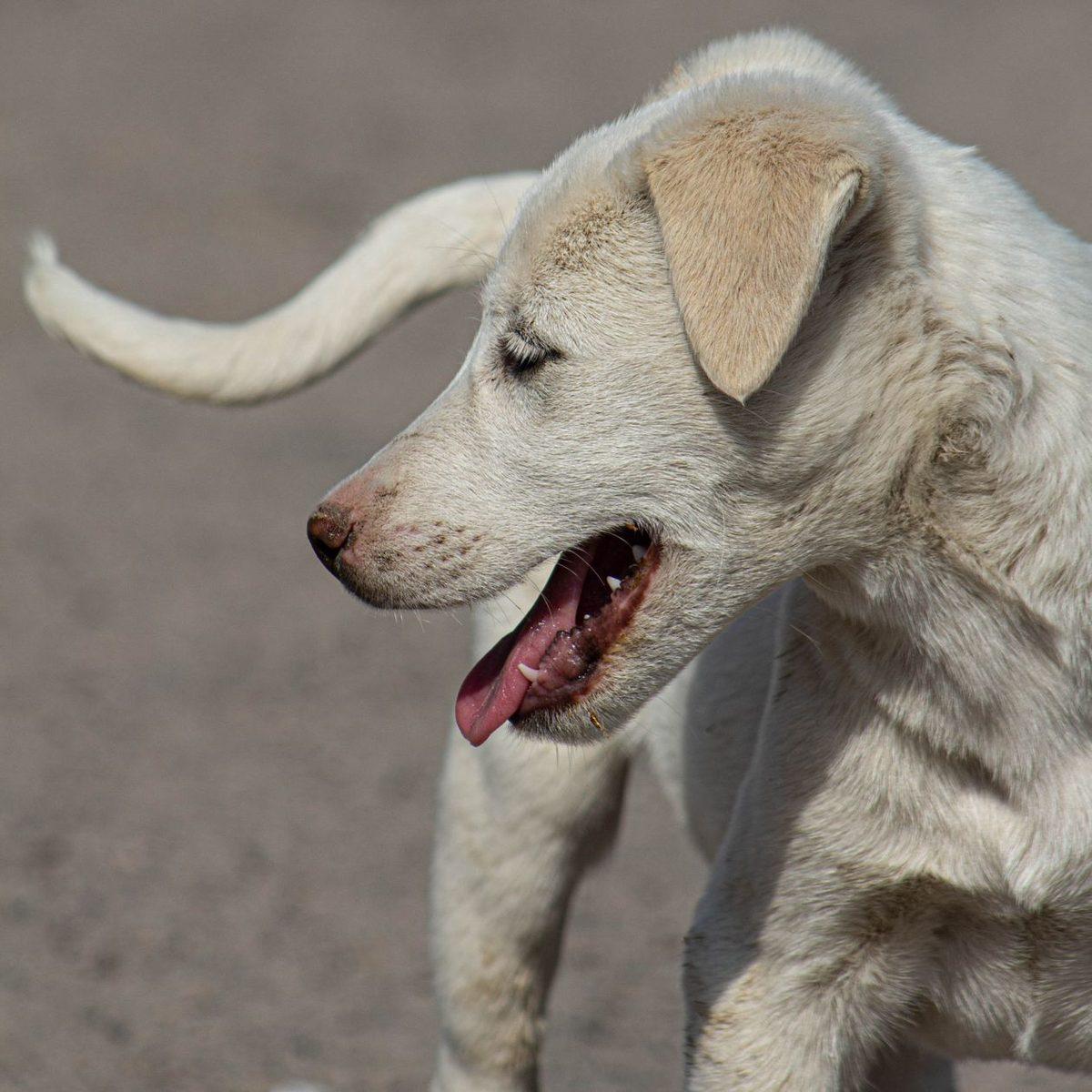
Exercise questions at 10 weeks are really joint questions: growth plates are open, coordination is developing, and enthusiasm exceeds structural readiness. The socialization window is wide open and the first fear period may still be active. Confidence built now — at the puppy's pace — pays off for years. This guide balances the two failure modes — the under-exercised puppy bouncing off walls, and the over-exercised puppy quietly damaging joints.
Exercise at 10 weeks: Step by Step
Separate structured exercise from free play
The 5-minute rule caps continuous, paced exercise like leash walking. Garden play, wrestling with a known dog, and exploring at their own pace do not count against it — puppies self-regulate in free play by flopping, and that flop is the safety system.
Make sniffing the main event
A slow, sniffy 15 minutes exhausts a 10 weeks puppy more than a brisk march twice as long. Let the nose lead on walks; scatter a handful of treats in grass for a finding game. Mental work is the age-appropriate intensity dial.
Protect joints with explicit rules
No running on hard surfaces, no repetitive fetch launches, no jumping from height, minimal stairs. Carry small puppies on stairs; teach big puppies slow, leashed stair walking. These rules hold until growth plates close — 12–18 months depending on breed size.
Read over-arousal correctly
A puppy who comes home more frantic — biting, zooming, unable to settle — was over-stimulated, not under-exercised. Shorten the outing, add sniffing, enforce a nap. At 10 weeks, with a sleep need of 18–20 hours, rest is the most under-prescribed exercise medicine.
Build one new activity at a time
New surfaces, gentle slopes, shallow water (where safe and permitted), and low obstacles teach body awareness. Introduce one at a time, at your puppy's pace. Confidence in the body now becomes the athletic, injury-resistant adult later.
Physical Development at 10 weeks
Development context: The socialization window is wide open and the first fear period may still be active. Confidence built now — at the puppy's pace — pays off for years. Expect milestones including responding to their name reliably, first lured sits, and voluntary crate naps. Coordination improves in visible steps at this age — and so does confidence, which is why supervision matters: a bold puppy on immature joints is exactly the injury profile vets see.
Mistakes to Avoid
- Weekend-warrior hikes with a weekday-couch puppy. Spikes injure; consistency conditions.
- Jogging or biking with a puppy whose growth plates are open. Wait until your vet confirms skeletal maturity.
- Using exhaustion as a behavior strategy. A fitter puppy is just a problem with more stamina — sleep and training fix behavior.
Related Guides
Frequently Asked Questions
Can a 10 weeks puppy go on hikes?
Short, soft-surface, puppy-paced outings within the 5-minute rule are fine — carry a small puppy for the return if needed and plan to turn back early. True hiking waits for skeletal maturity. Bring water, watch for lagging or sitting (stop signals), and keep the outing about sniffing, not summits.
Is swimming safe at 10 weeks?
Supervised, shallow, voluntary paddling in clean, calm water is excellent low-impact exercise once your vet is happy with vaccination status for the location. Use a puppy life vest, keep sessions short, never throw a puppy in, and rinse and dry ears afterward.
My puppy lags behind on walks. Lazy?
Lagging at 10 weeks usually means tired, overwhelmed, sore, or unsure — in roughly that order. Shorten the walk, check paws and harness fit, and let sniffing set the pace. Persistent reluctance, limping, or stiffness after rest warrants a vet visit; growth-plate pain is real and time-sensitive.
How do I exercise my puppy in bad weather?
Move the work indoors: training games (2–3 minutes sessions), hallway fetch with soft toys, cardboard-box treasure hunts, snuffle mats, and tug with rules. A mentally worked puppy in a storm week is calmer than a marathon-walked one — and their joints thank you.