
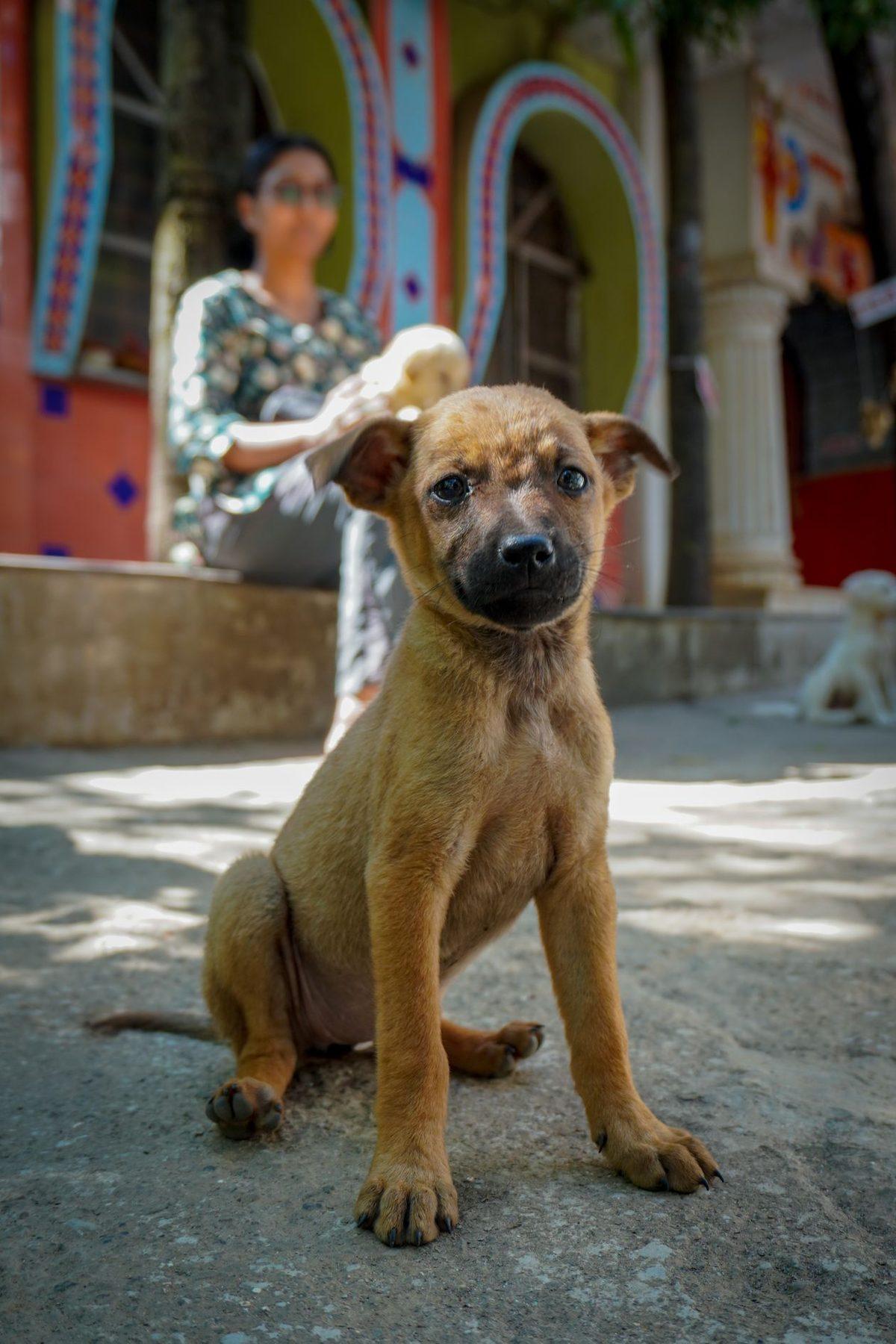
The puppy is thrilled to see you — and peeing about it. Excitement urination is a plumbing-versus-emotion race that young bladders lose. This guide lowers the excitement at the classic trigger moments, protects your floors in the meantime, and explains the maturity timeline so you can relax about the end date.
The Plan: Step by Step
Move greetings outside or to hard floors
First hellos happen where a puddle costs nothing. Come home, minimal fuss, straight outside together, greet there. Guests meet the puppy outdoors too during the excitable months. This single management change removes most of the cleanup and all of the tension.
Turn down greeting intensity
Low voice, slow movements, no squealing, no wrestling greetings. Ask visitors to ignore the puppy until they settle, then interact calmly. You are not removing joy — you are keeping arousal under the bladder's current threshold while it matures.
Empty the bladder before exciting events
A toilet trip right before guests arrive, before playdates, before training class. An empty bladder cannot leak much. Build "toilet first" into every exciting transition and the incidents drop immediately.
Insert calm breaks into play
Play in short bursts with settle pauses: play, pause, treat for calm, resume. Puppies who practice downshifting arousal get better at it everywhere — including the bladder control that arousal was overriding. This is a life skill disguised as a game.
Never punish, and clean neutrally
The puppy cannot control this — scolding adds stress urination risk on top of excitement urination. Enzymatic cleaner, no comment, adjust the protocol. If peeing happens outside excited contexts or persists past a year, get a vet check for urinary issues.
Excitement vs Submission
Excitement urination comes with a loose, wiggly, happy body; submissive urination comes with crouching and appeasement signals. They can coexist in the same puppy. Both are involuntary, both resolve with maturity plus calm handling, and both are made worse by punishment. Track which contexts trigger your puppy — the protocol emphasis differs slightly.
Mistakes to Avoid
- Big emotional homecomings — the highest-arousal moment of a puppy's day, aimed at their weakest system.
- Letting kids wind the puppy into a frenzy indoors, then being annoyed at the puddle physics predicted.
- Confusing it with house-training regression and adding confinement or scolding, which helps neither.
Related Guides
Frequently Asked Questions
When do puppies outgrow excitement urination?
Most improve steadily from 4–6 months and are dry by about a year as sphincter control matures. Toy and small breeds sometimes run a little later. If there is no improvement trend by 12 months, or new urination appears in an adult, see your vet.
Does it happen with certain people more?
Yes — whoever generates the most excitement: the favorite person, the squeaky-voiced visitor, the kid who plays rough. Give the high-arousal people the strictest calm protocol and the outdoor-greeting rule. Consistency across people is what shortens the phase.
Should I restrict water before guests come?
No — puppies need free access to water, and dehydration helps nothing. Manage with a pre-visit toilet trip and outdoor greetings instead. The bladder will be emptier from the trip; that is the humane version of the same math.
My puppy pees during training class. Embarrassing — what do I do?
You are in good company; class is peak excitement. Toilet right before entering, keep your puppy's arousal lower with distance from the group, and build in sniff breaks. Mention it to the instructor — they have seen it a hundred times and can help you position for success.