
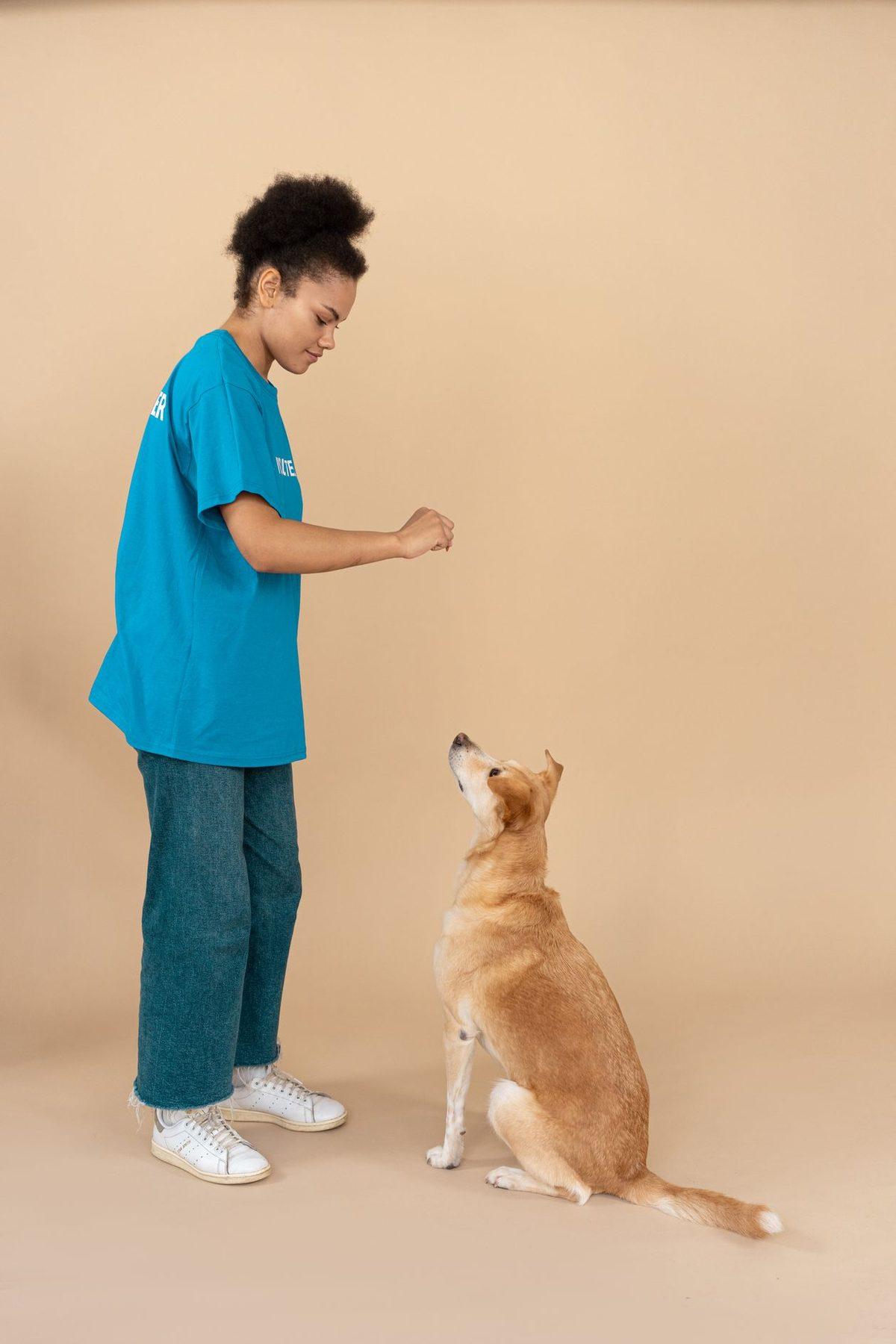
Yard escapes are not naughtiness; they are engineering feedback plus a motivation report. Your puppy is showing you exactly where the fence fails and how much the outside world outbids your garden. This guide fixes both sides: the physical route, this week, and the motivation, over the following month.
The Plan: Step by Step
Diagnose the route
Digging under (paw prints and trenches at the fence line), climbing (scratches on panels, a breed that scales), squeezing (gaps at gates and corners), or bolting (gate dashing when people come and go). A camera or a flour test at suspect spots identifies the route if it is not obvious. Fixing the wrong route changes nothing.
Engineer the fix
Digging: bury hardware cloth or pavers along the fence line, or install a dig guard. Climbing: remove launch furniture near fences, add height or coyote rollers for serious athletes. Gaps: mesh small openings and add gate latches a nose cannot lift. Test the fix by watching, not by hoping.
Supervise until proven
An escaping puppy loses unsupervised yard privileges — full stop — until weeks of observed yard time show no attempts. Long lines give freedom with a safety net during the retraining period. Every successful escape is rehearsal that makes the next one easier.
Make the yard worth staying in
Escapes are reviews: the yard scored lower than the street. Add a digging pit with buried treasures (legal digging), toys, shade, water, and — most importantly — you. Puppies escape lonely yards to find company; a yard where games and training happen daily competes with the outside world.
Address roaming drivers
Intact adolescents, especially males, roam for mating opportunities — discuss timing with your vet. Boredom and separation distress drive the rest: a puppy who escapes to find people needs alone-time training, not just a taller fence. Fix the fence and the feeling.
The Stakes
Loose dogs face traffic, fights, poisoning, theft, and getting lost — and owners face liability if their dog causes an accident. Check local rules on containment and liability, keep ID tags and microchip details current, and treat every escape as a same-day repair job. A GPS tracker collar is a sensible backup for a known escape artist while training proceeds.
Mistakes to Avoid
- Punishing the puppy after they are caught or return — it teaches that coming home is bad, the most dangerous lesson available.
- Electric or shock containment as the first fix; pain-based fences fail during high arousal exactly when they matter, and can create aggression at boundaries.
- Assuming a taller fence fixes a digging dog. Match the fix to the route.
Related Guides
Frequently Asked Questions
My puppy digs under the fence in minutes. What actually works?
Burying galvanized hardware cloth (an L-footer) along the fence line is the professional standard — digging paws hit mesh and quit. Alternatives: concrete pavers along the base, or a dedicated dig pit that redirects the drive legally. Fill-and-forget does not work; diggers remember exactly where the soil is loose.
Why does my puppy escape only when I leave?
That pattern points to separation distress, not wanderlust: the puppy is leaving to find you. The fence fix still matters, but the real treatment is alone-time training — gradual absences, camera verification, and professional help if panic is involved. A puppy escaping from panic can injure themselves badly on fences.
Will neutering stop my male puppy roaming?
It reduces sexually motivated roaming in many males, particularly when done before the habit is established, but it does not fix boredom, loneliness, or a defective fence. Treat it as one factor in a vet conversation, not as the containment plan.
My puppy escaped and came back. Should I be relieved or worried?
Both. A puppy who returns has a homing instinct worth gold — protect it by never punishing returns. But each escape rehearses the route and the reward. Fix the physical route this week, add supervision, and build the yard's value so the next opportunity is declined.