
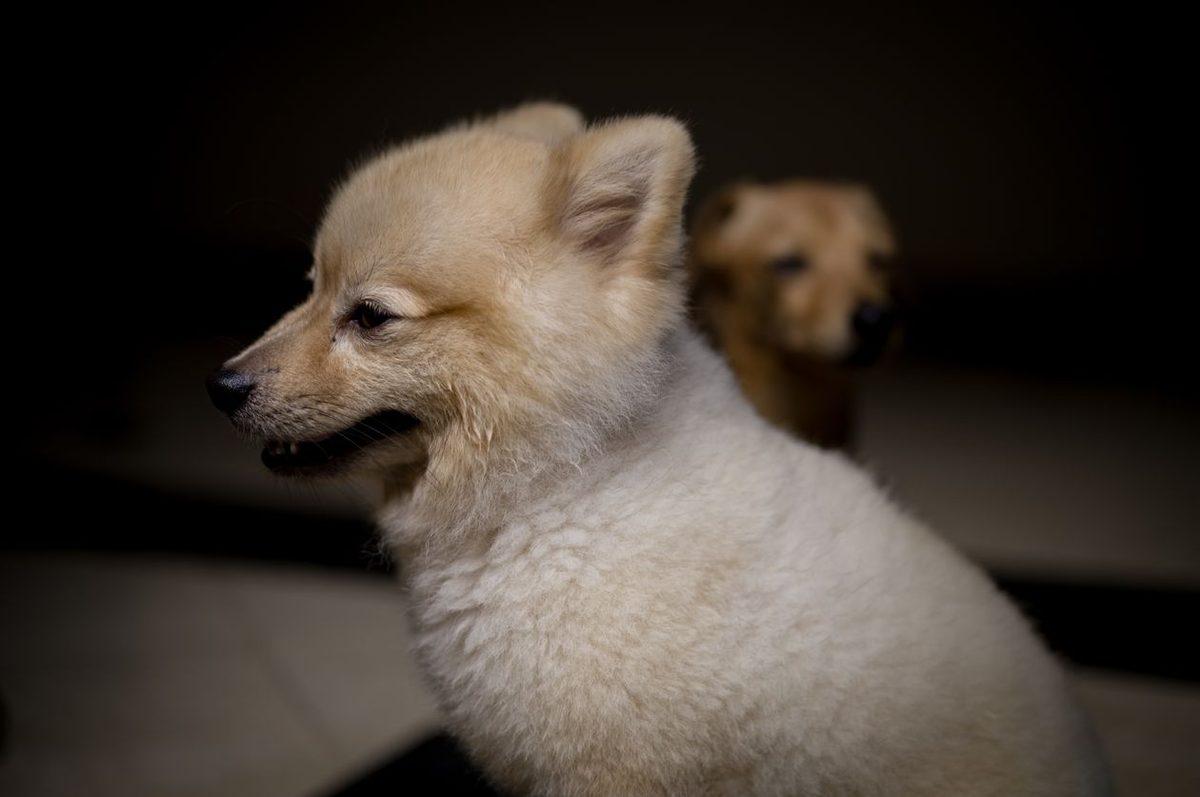
Generic advice ("just ignore it") fails because crate whining is three problems sharing one symptom. Ignoring a toilet need teaches crate soiling. Entertaining a protest teaches louder protest. Ignoring panic sensitizes a frightened puppy. This guide teaches you to read which whine you are hearing and respond with the matching protocol.
The Plan: Step by Step
Learn the three whines
Need whining: starts after a sleep period, escalates steadily, stops after a toilet trip. Protest whining: starts the moment the door closes, comes in waves with listening pauses, puppy otherwise relaxed. Panic: continuous, escalating, with drooling, panting, clawing, or attempts to bite the crate. Film an episode if you are unsure — professionals diagnose from video easily.
Answer needs silently and completely
Toilet trip with zero entertainment, water check, temperature check. Then back to the crate with a small chew. Needs answered boringly teach the puppy that whining summons a toilet break and nothing else — which is exactly the deal you want.
Out-wait protest with precision timing
For protest, wait for a two-second quiet gap, then calmly release or reward. Never open the door at peak noise. Shrink crate sessions if protest is intense — you may have advanced duration too fast. Protest handled correctly fades within days; protest rewarded accidentally can persist for months.
Reset panic from zero
Panic means the training plan, not the puppy, failed: go back to door-open crate time, meals in the crate, and seconds-long closures. If panic appears even at tiny steps, or the puppy injures themselves, stop and involve your vet and a certified behavior professional — panic is a welfare issue, not a training milestone.
Rebuild the crate's value daily
Regardless of whine type, keep depositing value: meals, frozen toys, and chews happen in the crate; calm behavior in the crate gets noticed and paid. Most whining is a value problem — the crate predicts less good than the room does — and value is fixable.
Regression Is a Pattern, Not a Failure
Crate whining often returns after being solved: after illness, travel, a schedule change, or during adolescence. These regressions are shorter than the original training if you respond with the same protocol rather than new negotiations. See our crate regression guide for the full relapse plan — the short version is: needs first, protest rules unchanged, panic gets help.
Mistakes to Avoid
- One-size advice: ignoring all whining, or answering all whining. Both fail two of the three causes.
- Releasing during a crescendo "because it sounded different this time." If it was protest, you just raised the price of quiet.
- Advancing crate duration in big jumps after a few good days. Duration is built in minutes that bore the puppy, not hours that test them.
Related Guides
Frequently Asked Questions
How long should I let my puppy whine before checking?
If the whining follows a sleep period or the puppy has been in beyond their bladder window, check immediately — silently. For clear protest in a puppy whose needs you just met, wait for the two-second quiet gap. When genuinely unsure which type you are hearing, check: a boring toilet trip costs nothing and harms no training.
My puppy whines at 3 a.m. but is fine in the day crate. Why?
Night adds darkness, household silence, and a full bladder timeline — plus your puppy knows you are nearby but unreachable. Keep the crate close to your bed in the early weeks, pre-empt the bladder wake with an alarm, and expect nights to consolidate by 12–16 weeks.
Does covering the crate help whining?
For protest and mild unease, usually yes — darkness and den-feeling lower stimulation. For panic, covers can intensify the trapped feeling and overheat the puppy. Match the tool to the diagnosis, and always ensure airflow.
When is crate whining an emergency?
Whining with drooling, frantic clawing, broken nails or teeth, self-injury, or elimination despite a recent toilet trip is distress beyond protest. Stop the session, comfort the puppy, and get professional help before the next attempt. No training goal justifies a panicking puppy.