
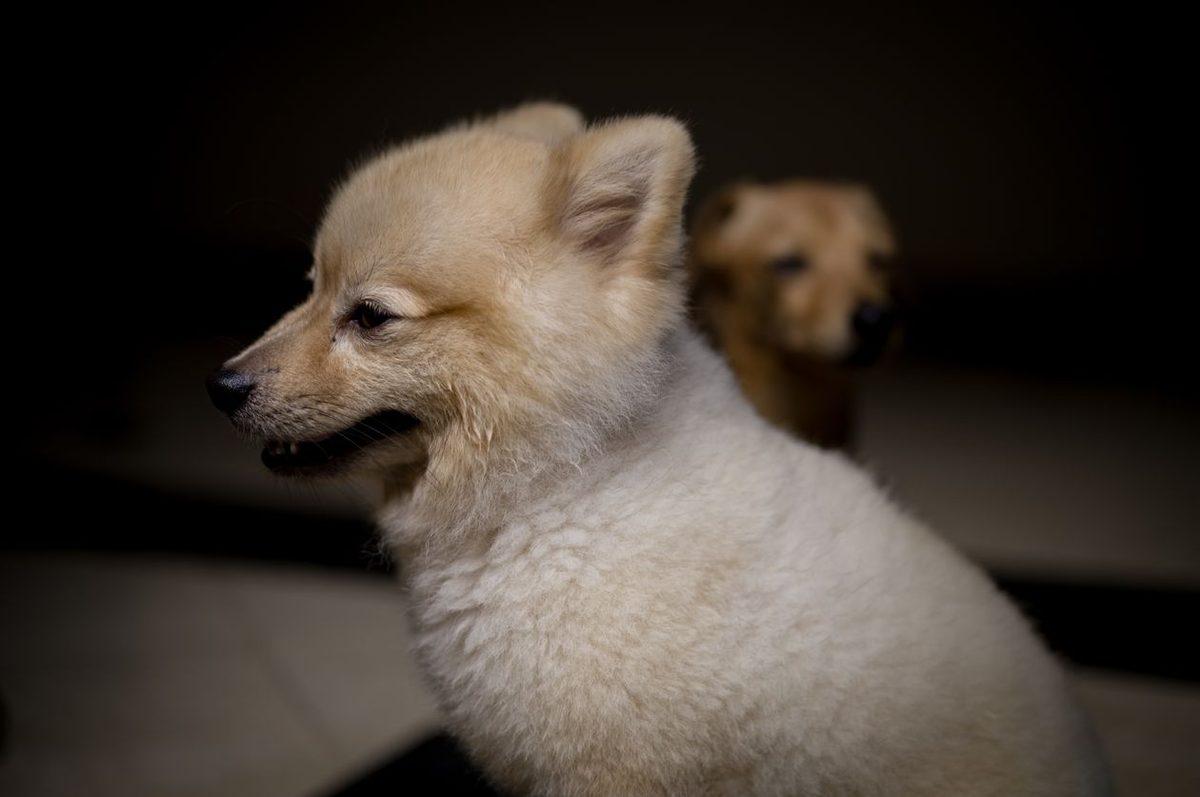
Grooming is healthcare wearing a beauty costume: it is how you catch lumps, ticks, ear infections, and sore spots early. The Chow Chow wears a very thick double coat, which sets the workload: Brush several times a week down to the skin; the dense coat mats and overheats easily. This breed is independent, dignified, and cat-like, so handling practice lands well when it is paired with food and kept short. This guide covers the full routine — coat, bath, nails, ears, teeth — in training order.
The Chow Plan: Step by Step
Start with cooperative care, not grooming
Before any tool appears, teach a chin rest: puppy rests their chin on your palm, treats flow. This becomes a consent signal — chin down means "I am okay, continue"; lifting it pauses the session. Five minutes a day for a week builds the foundation every grooming task will stand on.
Introduce tools in the right order
Brush first (least invasive), then comb, then nail tools, then clippers or dryer sounds at a distance. One new tool per day, always paired with high-value food. For a Chow, whose coat is a very thick double coat, the brush must reach skin, not skate over the top — part the coat and work in sections.
Run the first bath like a training session
Non-slip mat, lukewarm water, puppy shampoo, treats throughout, and a total time under ten minutes. Wet, lather, rinse, done — perfection is not the goal; a relaxed puppy is. Dry thoroughly: damp undercoat under a very thick double coat is where mats and hot spots start.
Make nail trims boring
Touch paws daily. Then one nail, one treat. Then two. Most puppies accept full trims within two weeks of this curve. If you hear the nails clicking on hard floors, they are overdue — long nails change foot posture and can make a medium puppy sore and reluctant to walk.
Add ears and teeth weekly
Check ears every week: healthy ears are pale, dry, and nearly odorless. Brush teeth with a finger brush and dog toothpaste several times a week — dental disease is the most common health problem in adult dogs, and puppies who learn the routine early simply accept it for life.
The Chow Coat: What Owners Underestimate
Breed coat notes for the Chow Chow: Brush several times a week down to the skin; the dense coat mats and overheats easily. The common failure mode is surface grooming — the top looks fluffy while mats form against the skin, especially behind ears, in armpits, and where the collar sits. The comb test tells the truth: if a metal comb glides to the skin everywhere, the coat is genuinely maintained. Grooming is also handling practice for vet visits, which matters for this breed: Ask your vet about eye checks (entropion occurs in the breed), hip screening, and heat management.
Mistakes to Avoid
- Waiting until the first professional groom at 5–6 months to start handling — by then the puppy has opinions and the strength to enforce them.
- Bathing without brushing first; water tightens mats into felt that often must be shaved out.
- Cutting nails only when they are very long, which lets the quick grow long too and makes every future trim harder.
Related Guides
Chow Chow Puppy Guide →
All Chow guides in one place.
Puppy Grooming Guide →
Nail Trimming Guide →
First Bath Guide →
Frequently Asked Questions
How often should I bathe my Chow Chow puppy?
Every 3–6 weeks is typical unless they get genuinely dirty; over-bathing dries skin and coat. Use puppy or dog shampoo only — human products have the wrong pH. Spot-clean muddy paws and bellies between baths, and brush more often instead of bathing more often.
My Chow puppy fights the brush. What should I do?
Shrink the job: one body area, 30 seconds, excellent treats, stop. Work while your puppy is sleepy, use a lick mat stuck to the floor as a distraction, and check for mats — brushing over mats hurts, and pain is the usual reason puppies fight. If mats exist, clip them out rather than tearing through them, and restart the routine on a pain-free coat.
When should nails be trimmed?
Every 1–2 weeks for puppies — their nails grow fast and they are light, so walking does not wear them down. Trim tiny tips frequently rather than large amounts rarely; you will stay safely away from the quick and keep sessions short and easy.
Do I need a professional groomer for a Chow?
It depends on coat goals. This breed's routine — Brush several times a week down to the skin; the dense coat mats and overheats easily — is home-manageable with the right tools, but many owners book professional grooms every 6–8 weeks for the cut and do maintenance brushing at home. Introduce the salon early with a short puppy visit (bath, brush, treats) rather than a full groom.