
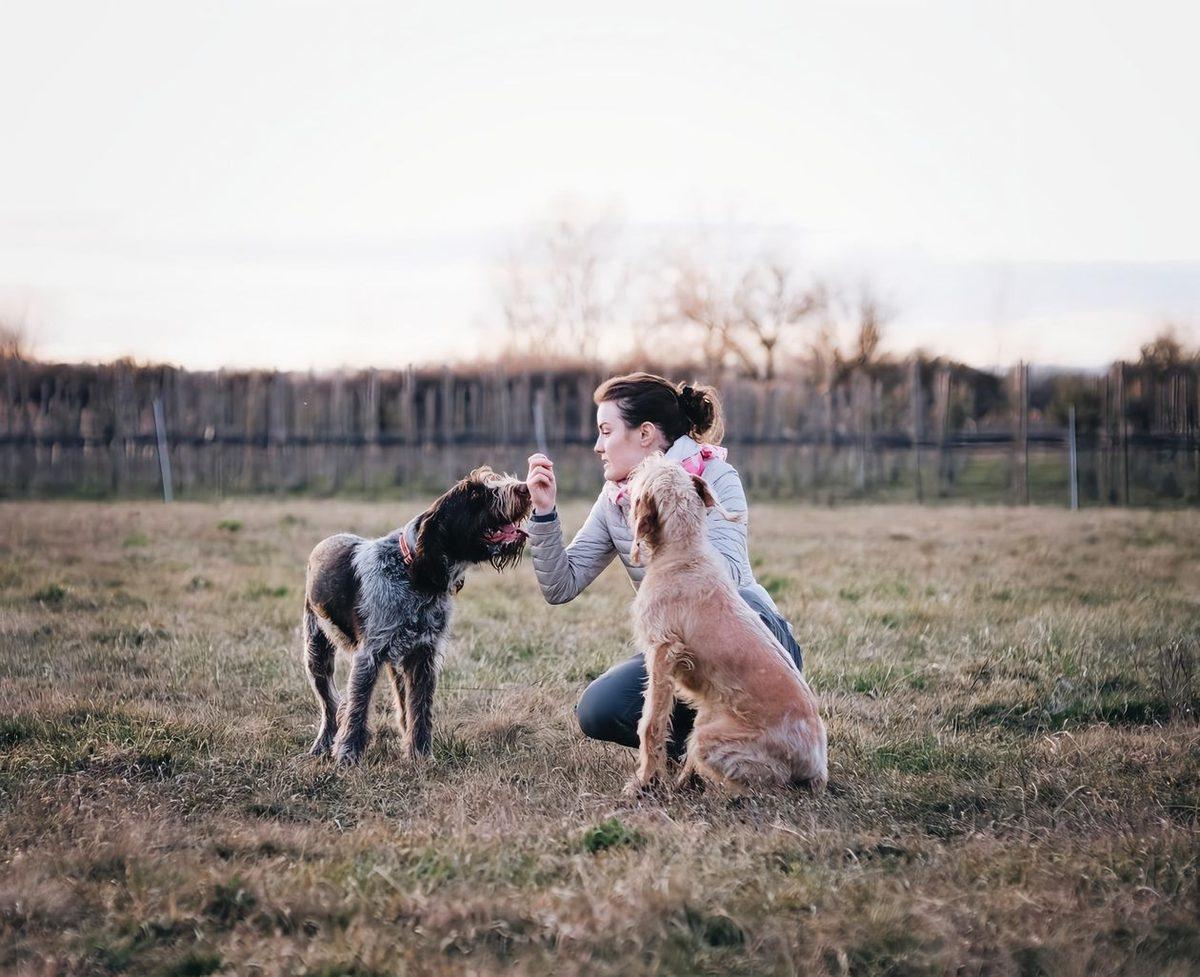
Travel ability is trained, and the training that fits 8 months is specific. Deep adolescence. A second fear period can occur anywhere from 6–14 months. Energy is at or near adult levels in many breeds, while judgment lags far behind. This guide sets the conditioning plan, restraint setup, and trip lengths for this exact stage — so your puppy's travel career starts as a success story rather than a vomit story.
Car Travel at 8 months: Step by Step
Condition at this stage's pace
If the car is new to your puppy: parked-car treats, then engine-on treats, then minutes-long drives. At 8 months, sessions should be short and end well. A puppy who has only ever ridden to the vet has a skewed sample — add destination variety early: a friend's house, a drive-through treat, a park.
Restrain for the dog they are becoming
A secured crate or crash-tested harness in the back seat or cargo area. At 8 months puppies outgrow setups fast — check fit and size monthly, and buy for the near-term size with a plan to upgrade. Loose puppies are a distraction and a projectile risk; neither is negotiable.
Set trip lengths by stage
Bladder capacity at this age is about 7–8 hours, so plan stops inside that window — every 1–2 hours for young puppies, stretching with age. Feed the last meal 3–4 hours before departure to reduce sickness, and offer water at every stop.
Manage motion sickness actively
Cool air, a forward-facing position, an empty-ish stomach, and short frequent trips are the toolkit. Most puppies outgrow the inner-ear component by about a year; conditioning prevents the anxiety layer from forming meanwhile. Persistent sickness at this stage is worth a vet conversation about anti-nausea support.
Rehearse the destination skills
Settling on a mat in a strange place, toileting on cue on unfamiliar ground, and resting quietly while you eat are the skills that make trips pleasant. Practice them at home and at friends' houses before the first real trip asks for all three at once.
Travel Development at 8 months
Context for this stage: Deep adolescence. A second fear period can occur anywhere from 6–14 months. Energy is at or near adult levels in many breeds, while judgment lags far behind. Around now, expect real-world proofing on a long line, calm public behavior, and reliable house manners at home. For travel specifically, attention span (5–8 minutes of focus) tells you how much novel stimulation a trip day should contain — build in real downtime at destinations, because a puppy who travels all day and sleeps none of it unravels by evening.
Mistakes to Avoid
- First trip = long drive to a stressful destination. The association math is unforgiving and entirely avoidable.
- Feeding a full meal right before departure to "settle" the puppy.
- Leaving a puppy in a parked car for "just a minute" — interior temperatures kill in minutes, in mild weather too.
Related Guides
Frequently Asked Questions
How long a drive can an 8 months puppy handle?
With conditioning and stops inside the about 7–8 hours bladder window, most puppies this age manage a few hours of travel day comfortably. Build up over weeks rather than debuting with a full-day drive, and judge by your puppy's state on arrival — settled and curious is success; wired or miserable means the next trip gets shorter.
My puppy drools in the car but never vomits. What is that?
Drooling is a nausea and anxiety sign — the front edge of car sickness. Treat it with the conditioning ladder and the setup fixes (cool air, empty stomach, short trips) before it progresses. Puppies whose drooling is addressed early usually become good travelers; ignored, it often matures into full sickness and dread.
Where should the puppy ride?
Back seat with a crash-tested harness, or cargo area in a secured crate — never the front seat (airbags) and never loose. The middle of the vehicle also has the least motion, which helps queasy puppies. Add a familiar blanket; home smells lower stress measurably.
Can my puppy fly at this age?
Policies vary by airline and route, with minimum ages (often 8–12 weeks), cabin size limits, and breed restrictions (flat-faced breeds are commonly restricted, especially in cargo). For most puppies, driving is simpler and kinder. If flying is necessary, book early, confirm the rules in writing, and prepare the carrier as a happy place weeks ahead.