
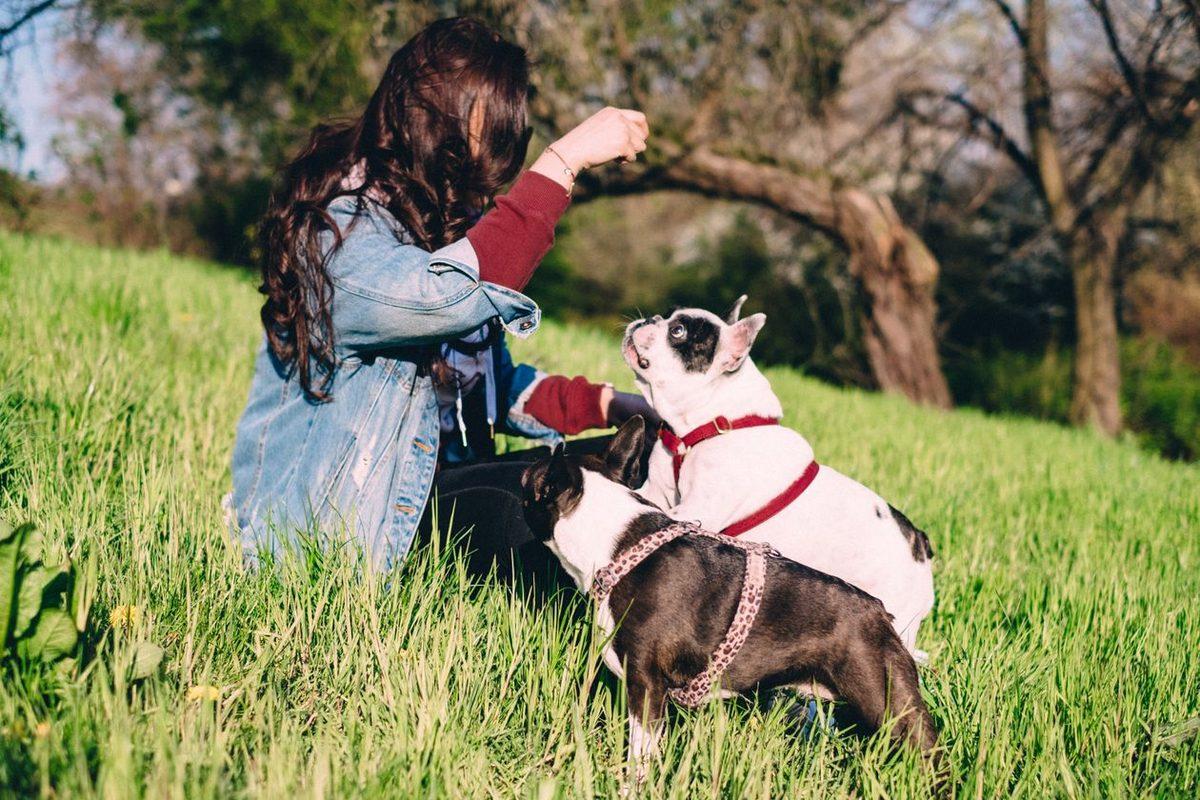
Socialization is not "meet as many dogs as possible." It is controlled, positive exposure to the world your Boxer will live in — people, surfaces, sounds, vehicles, handling, and calm dogs. The Boxer is playful, energetic, and puppyish well into adulthood; their advantage is joyful enthusiasm for games, which makes play a powerful reward. The risk to manage is jumping, mouthing, and boisterous play that needs channeling early, which is exactly why this window matters so much for this breed.
The Boxer Plan: Step by Step
Start with observation, not interaction
Carry your puppy (or use a stroller or car window) through busy places before vaccinations are complete. Watching children, cyclists, and traffic from a safe, calm vantage point builds the "that is normal" library without disease risk or overwhelming contact.
Run the 7-day surface and sound circuit
Each day, introduce one new surface (grass, gravel, metal grate, wobbly board) and one recorded sound (thunder, fireworks, doorbell, vacuum) at low volume paired with treats. A Boxer who learns the world is interesting but safe becomes an adult who recovers quickly from surprises.
Choose dog friends like a matchmaker
Puppy class with a qualified trainer, plus one or two known, vaccinated, tolerant adult dogs, beats the dog park every time. Watch for reciprocal play: role reversals, play bows, and voluntary breaks. End sessions while things are still good — five great minutes teach more than twenty chaotic ones.
Practice handling as a daily ritual
Paws, ears, mouth, collar grabs, and gentle restraint — each paired with food, a few seconds at a time. For a breed with a short, smooth coat, grooming and vet handling are lifelong realities; puppies who rehearse them weekly rarely become adults who fight the brush or the exam table.
Let the puppy choose
If your puppy wants to approach, let them; if they hang back, increase distance and let them watch. Forced greetings — being handed to strangers, being dragged toward scary objects — are the most common cause of the very fears owners were trying to prevent.
Socialization Priorities for the Boxer
Every breed has a short list of adult-life stressors worth prioritizing. For the Boxer, plan around jumping, mouthing, and boisterous play that needs channeling early. Build extra reps with the triggers this breed meets hardest: for people-oriented breeds that means calm behavior around exciting strangers; for reserved breeds, positive stranger exposure without forced contact. And because this breed needs Brush weekly; the short coat is low maintenance throughout life, treat grooming handling as socialization, not a separate chore.
Mistakes to Avoid
- Flooding — carrying a trembling puppy through a festival "to get them used to it." Overwhelm sensitizes; it does not desensitize.
- Dog parks before 16 weeks: uncontrolled dogs, disease risk, and lessons in bullying — the opposite of socialization.
- Comforting with frantic energy. Calm presence and food help; panicked petting confirms the puppy's fear assessment.
Related Guides
Boxer Puppy Guide →
All Boxer guides in one place.
Complete Socialization Guide →
Socialization Checklist →
Understanding Fear Periods →
Frequently Asked Questions
Can I socialize my Boxer puppy before vaccinations are finished?
Yes — and you should, using low-risk formats: carried outings, car rides, puppy classes that require first vaccinations and clean floors, and visits to friends' homes with healthy vaccinated dogs. Avoid dog parks, pet-store floors, and unknown dogs until your vet clears ground contact.
My puppy is scared of men / hats / children. What now?
Work below threshold: the scary category appears at a distance, treats rain, then it goes away. Shrink distance over days. Have the person ignore the puppy entirely and toss treats sideways rather than reaching. Most single-category fears in young puppies resolve in one to two weeks of this pattern.
How many new things should my puppy meet per day?
Aim for one to three quality introductions daily, mixed into normal life. Quality means your puppy noticed, stayed loose and wiggly, ate treats happily, and recovered within seconds from any startle. A checklist of 100 stressed exposures is worth less than 30 good ones.
Is it too late to socialize a 5-month-old Boxer?
Not too late — just slower. The same protocols work; expect weeks instead of days, and be more careful about distance and intensity. Adolescent puppies also go through fear periods where previously fine things suddenly worry them; treat those weeks gently and revisit basics.