
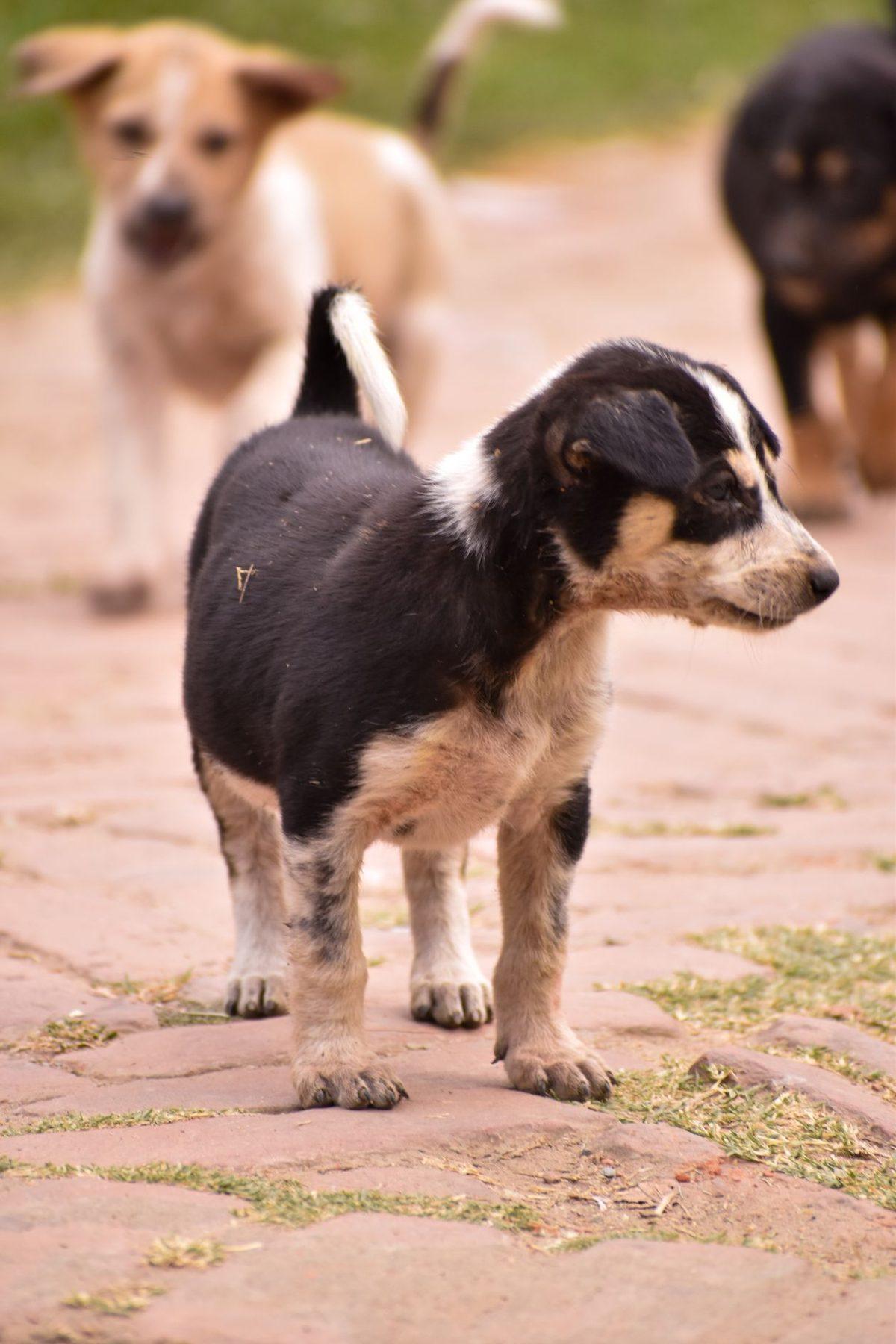
House training a Bichon Frise is less about the breed being "good" or "stubborn" and more about matching the routine to the dog in front of you. The Bichon is cheerful, playful, and people-centered, and their standout training advantage is a happy, social nature that makes group classes and greetings easy. The hurdle to plan around is house training is notoriously slow, and the coat mats without frequent brushing. This guide builds the schedule around a small puppy that will grow to 12–18 lb, so the timing, crate setup, and expectations actually fit your dog.
The Bichon Plan: Step by Step
Set up a right-sized confinement area
Use a 30-inch crate with a divider so your Bichon puppy has room to stand, turn, and lie down — but not enough room to toilet in one corner and sleep in another. Puppies instinctively keep their sleeping area clean, and correct sizing turns that instinct into your best training tool.
Run the hourly loop
Take your puppy out first thing in the morning, after every meal, after play, after naps, and at least every hour while awake. Go to the same spot on leash, stand still, and wait. Boring is good — the outing is for toileting first, playing second.
Reward at the scene, not at the door
The moment your puppy finishes outside, mark "yes" and deliver a high-value treat right there. Rewarding back inside teaches "come home fast," not "toilet outside." For a Bichon, whose strength is a happy, social nature that makes group classes and greetings easy, consistent outdoor rewards build the habit in days rather than weeks.
Supervise or confine — no middle ground
Indoors, your puppy is either actively supervised (ideally tethered to you or in a playpen in the same room) or in the crate. Most accidents happen in the 90 unsupervised seconds nobody noticed. Watch for the pre-toilet signals: sniffing in circles, suddenly wandering off, and squatting posture.
Handle accidents without drama
If you catch your puppy mid-accident, interrupt calmly with a neutral "outside" and carry them to the spot. If you find it later, just clean it with enzymatic cleaner — punishment after the fact only teaches your puppy to hide it next time. Log accidents for three days; the pattern usually reveals a schedule gap you can close.
What Makes Potty Training a Bichon Different
Adult size matters more than most owners expect. A small Bichon puppy has a small bladder relative to the 12–18 lb adult they will become, so early frequency matters more than early duration. Plan around this breed quirk: house training is notoriously slow, and the coat mats without frequent brushing. Also factor in coat and weather — a puppy with a curly, low-shedding double coat may resist rain or cold outings, so keep early-morning trips short, warm, and heavily rewarded rather than skipping them.
Mistakes to Avoid
- Giving free run of the house before your puppy has earned it — freedom is granted room by room after two accident-free weeks.
- Using puppy pads for months and then expecting an easy switch outdoors; pads teach an indoor toilet location that must later be untaught.
- Scolding accidents. It suppresses toileting in front of you — including outside — and is the top cause of "sneaks off to toilet" behavior.
Related Guides
Bichon Frise Puppy Guide →
All Bichon guides in one place.
Complete Potty Training Guide →
Crate Training Guide →
House Training Mistakes →
Frequently Asked Questions
How often should a Bichon Frise puppy go out at night?
At 8–10 weeks, expect one or two night trips. Set an alarm rather than waiting for crying, take them out quietly on leash, reward, and return straight to the crate. Most Bichon puppies sleep through by 12–16 weeks if the last outing is late and the crate is the right size (30-inch).
My Bichon puppy pees again 10 minutes after coming inside. Why?
Puppies often do not fully empty their bladder in one go, especially when distracted. Stay out an extra two minutes after the first toilet, or bring them in and go straight back out after 10 minutes of supervised time. If it happens daily, mention it at your next vet visit to rule out a urinary issue.
When can I stop rewarding outdoor toilets?
Fade treats gradually after two to three accident-free weeks: reward every success, then most, then occasionally, keeping praise constant. For Bichon Frise puppies, keeping a small treat habit for outdoor toilets through adolescence prevents the common 6–8 month regression.
Does a bell help with Bichon potty training?
Yes, once the basic routine exists. Hang a bell on the door, touch it with your puppy's nose before each outing, and open the door immediately. Most puppies learn to ring within a week. If your puppy starts ringing to play outside, keep post-bell outings short and boring.