
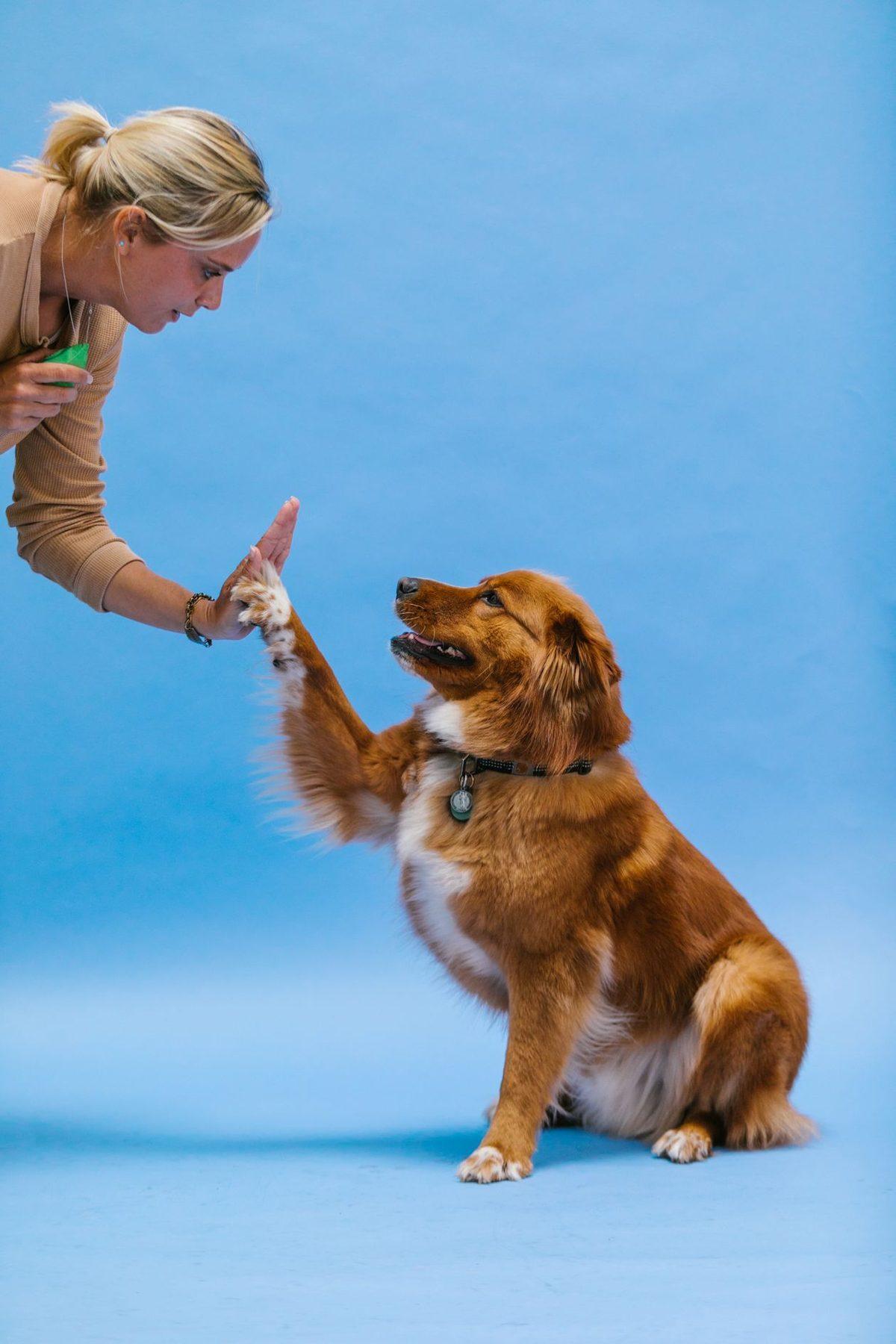
Most "behavior problems" are manners gaps: the puppy was never taught what to do instead. The Bichon Frise will test your household systems with house training is notoriously slow, and the coat mats without frequent brushing. Because this is a small breed that reaches 12–18 lb, manners installed at 10 weeks are a safety issue, not a cosmetic one. This guide installs the big five: greetings, doors, food zones, furniture rules, and the settle.
The Bichon Plan: Step by Step
Teach the four-on-the-floor greeting
Puppy gets attention only while all four paws are down. The instant they jump, attention vanishes — turn away, be boring. The instant paws land, praise and pet. Brief every guest before they enter; one person who rewards jumping "because it's cute" can maintain the habit for months.
Install a door routine
Leash on, ask for a sit, open the door a crack. If the puppy surges, the door closes gently. When they wait, release and go through together. Doors that open only for calm behavior teach patience faster than any lecture — critical for a breed whose challenge list includes house training is notoriously slow, and the coat mats without frequent brushing.
Make counters and tables boring
No food left within reach for the first six months, ever. Counter surfing is self-rewarding: one stolen chicken pays for a hundred attempts. Pair management with training — reward your puppy for choosing their mat during meal prep, and feed scraps only into the bowl, never from plates.
Decide furniture rules on day one
Allowed or not is your choice; "sometimes" is the only wrong answer. If furniture is allowed, teach an "off" cue traded for a treat and a comfy dog bed, so removal is a game rather than a confrontation. Consistency between family members matters more than the rule itself.
Build the settle as a daily ritual
A mat, a long-lasting chew, and a puppy who learns that this station means relaxation. Practice during your meals and evening downtime, starting at five minutes. The settle is the master manner — it converts an underfoot Bichon into a dog who can be included in everything.
Manners Priorities for a Bichon Household
Rank manners by your breed's risk profile. For the Bichon Frise — cheerful, playful, and people-centered — the top priorities flow from house training is notoriously slow, and the coat mats without frequent brushing. Size amplifies everything: behaviors that are funny at 8 lb are dangerous at 12–18 lb. Also recruit the breed's strength: a happy, social nature that makes group classes and greetings easy. Manners training built on what the breed loves converges in weeks; manners built on corrections alone needs constant enforcement.
Mistakes to Avoid
- Different rules from different family members. Hold a five-minute household meeting and write the rules down.
- Pushing a jumping puppy down with hands — to a puppy, hands are play, so pushing is a reward wearing a disguise.
- Practicing greetings only when real guests arrive. Rehearse with family members playing "guest" daily first.
Related Guides
Bichon Frise Puppy Guide →
All Bichon guides in one place.
Stop Jumping Up →
Place Command Guide →
Puppy-Proofing Your Home →
Frequently Asked Questions
My Bichon Frise puppy steals food from the table. How do I stop it?
Management first: no accessible food, no exceptions, for at least a month — every success recharges the habit. In parallel, train a mat settle during meals with a chew, and reward heavily for choosing the mat. Most puppies stop testing within weeks once the environment stops paying and the alternative starts paying better.
Should my Bichon be allowed on the sofa?
It is a household preference, not a behavior problem — there is no evidence sofa access causes dominance or disobedience. Decide once, teach an invitation and an "off" cue, and keep nails trimmed and a washable throw in place. For giant or muddy-pawed breeds, many owners choose a dog bed beside the sofa instead.
How do I stop my puppy rushing the front door?
Train the door routine daily when nobody is visiting: leash, sit, crack the door, close on surging, release on calm. Then add a doorbell recording, then a family member knocking, then real guests with the puppy on leash behind a gate. Layers, rehearsed separately, hold together under excitement.
When will my puppy's manners be reliable?
Expect solid home manners by 6–8 months with daily practice, a wobble during adolescence (when hormones temporarily outrank training), and genuine reliability around a year. Keep rewarding good choices through the first year — manners are maintained by the same reinforcement that built them.