
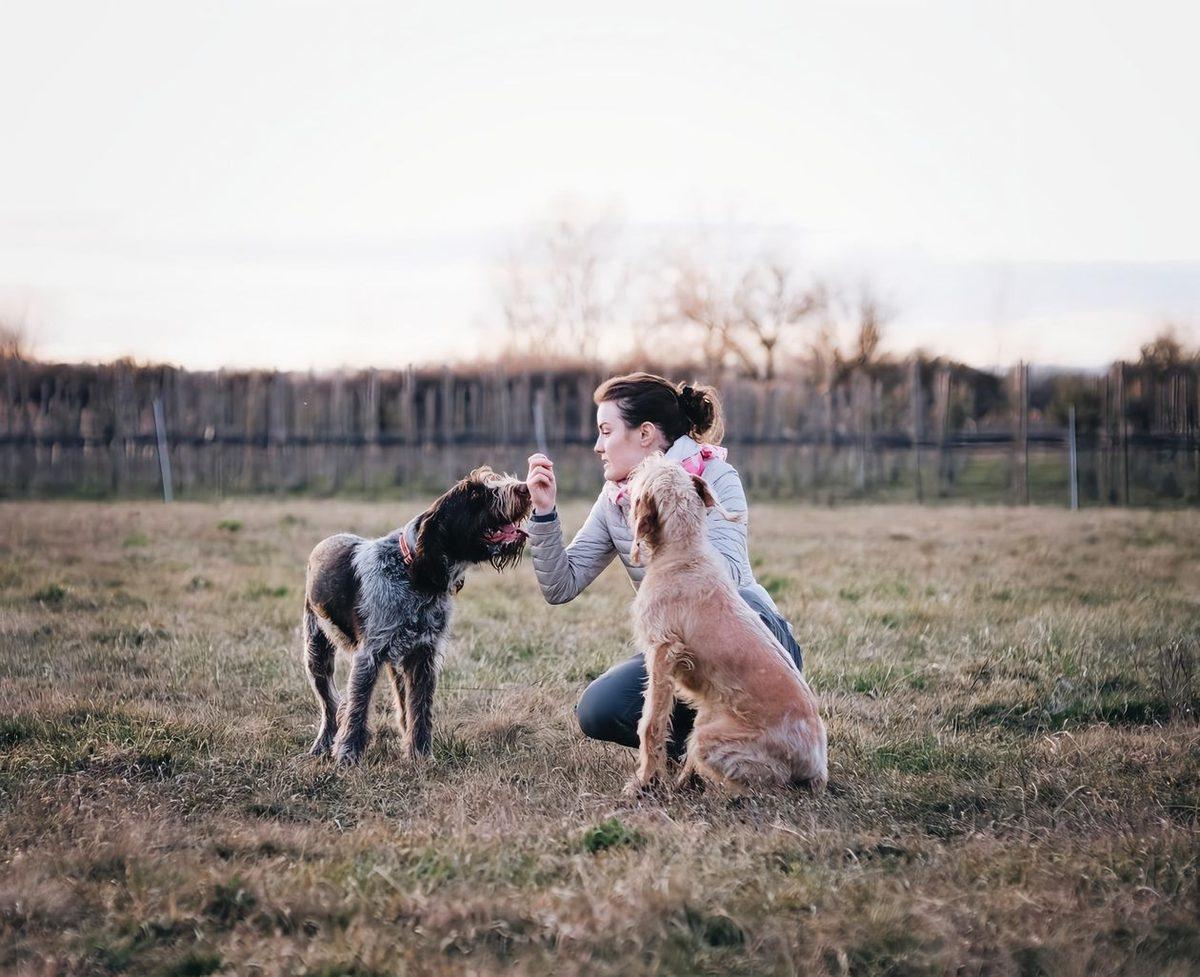
The Australian Cattle Dog will likely spend real hours in cars — vet visits, training classes, holidays. A medium dog reaching 35–50 lb needs a restraint plan that survives adulthood, and a puppyhood of good associations to accept it. The Cattle Dog is tough, loyal, and wired to work; expect travel training to interact with nipping heels, chasing movement, and wariness of strangers without early socialization. This guide covers conditioning, safety hardware, sickness, and trip routines.
The Cattle Dog Plan: Step by Step
Condition the car in three stages
Stage one: treats and play in the parked car, engine off. Stage two: engine on, treats, engine off. Stage three: 2–5 minute drives ending somewhere fun. Each stage takes a few days. A puppy who has had twenty pleasant car experiences before their first long trip rarely develops ride anxiety.
Choose crash-safe restraint
Options ranked by safety: a crash-tested crate secured in the cargo area, or a crash-tested harness clipped to a seatbelt. Loose puppies become projectiles in sudden stops and distract drivers into accidents. Size the system for the adult 35–50 lb dog, not the puppy — or budget to replace it.
Fix motion sickness systematically
Start with an empty-ish stomach (last meal 3–4 hours before), cool air or a cracked window, and forward-facing positioning. Keep early trips short and frequent rather than rare and long. Most puppies outgrow true motion sickness by a year; if vomiting persists past 6 months, ask your vet about anti-nausea options.
Run a trip-day routine
Exercise and toilet before departure, water offered at stops every 2 hours, and never leave your puppy in a parked car — interiors heat lethally in minutes even on mild days. For a breed with a short, dense double coat, heat vigilance doubles; plan summer travel for early mornings.
Rehearse destination skills
Hotel stays, relatives' homes, and rentals go well when the puppy already knows: settle on a portable mat, toilet on cue on unfamiliar ground, and rest quietly in a travel crate. Practice each at home first — travel is a terrible classroom for brand-new skills.
Travel Notes for the Cattle Dog
Breed build shapes travel planning. A Cattle Dog at 35–50 lb needs vehicle space planned honestly — measure the cargo area before choosing the crate. Temperature is the other breed factor: a short, dense double coat plus this breed's build means conservative heat rules. And note this breed's health profile: Ask your vet about hearing and eye screening (both matter in this breed) and hip checks — for flat-faced breeds specifically, check airline cabin rules carefully, as many carriers restrict them; driving is usually the safer plan.
Mistakes to Avoid
- Letting the puppy ride loose on a lap — dangerous for the puppy, the driver, and everyone on the road.
- First car experience = long drive to the vet for injections. The association math is obvious and avoidable.
- Feeding a full meal right before a trip "to settle them." Full stomachs and motion are a reliable vomit recipe.
Related Guides
Australian Cattle Dog Puppy Guide →
All Cattle Dog guides in one place.
Puppy Car Travel Guide →
Crate Training Guide →
Equipment Guide →
Frequently Asked Questions
Why does my Australian Cattle Dog puppy drool and pant in the car?
Drooling, panting, lip-licking, and yawning are nausea and anxiety signals — the usual precursors to vomiting. Go back a stage in conditioning: shorter trips, cooler air, emptier stomach, better rewards. If your puppy drools in a parked car, the association itself needs rebuilding before any driving.
Can my Cattle Dog ride in the front seat?
No — airbags that protect adults can kill a dog, and front-seat puppies distract drivers. Back seat with a crash-tested harness, or cargo area with a secured crate, are the safe positions. It is also the law in some regions; check yours.
How often should we stop on a long drive?
Every 2 hours for toilet, water, and a leg stretch — every hour for puppies under 4 months. Keep stops calm and brief, on leash, away from heavy dog traffic areas if vaccinations are incomplete. Arriving an hour later beats a puppy who learns that cars mean misery.
What should be in my puppy travel kit?
Leash and spare, water and bowl, food measured into meals, cleanup supplies (accidents happen), familiar-smelling bedding, chews, poop bags, vaccination records, and your vet's number. Familiar smells matter: a blanket from home lowers stress in strange places more than any gadget.